

 EN
EN  DE
DE  FR
FR Hypoallergenic cat food for food intolerances
If itching, skin problems, or digestive issues are disrupting your cat's daily life, a change in diet can often make all the difference. Hypoallergenic cat food was developed precisely for such cases. It uses specially selected ingredients to relieve the immune system of sensitive animals and alleviate symptoms. Discover our large selection of dry and wet food. Since 2009, we have specialized in veterinary diets for cats, among other things, and offer you free veterinary nutritional advice.
Filters
-
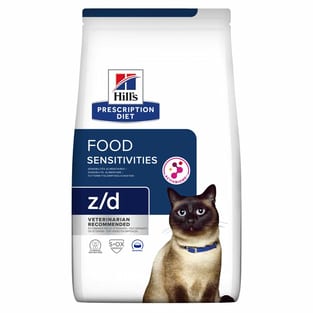
from CHF 36.80
Hill's Prescription DietAllergy diet for cats
Enriched with Hill's ActivBiome+ technology -
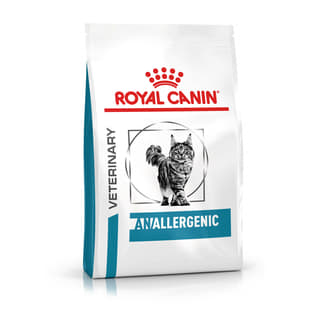
- - 10 %
from CHF 41.20
CHF 45.80Royal Canin Veterinary DietDry food for the determination and management of nutrient intolerances and food intolerances through reduced contact with allergens
-
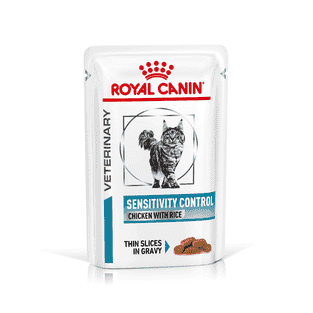
- - 10 %
Special Price CHF 89.80 Regular Price CHF 99.80Free shippingRoyal Canin Veterinary DietFor cats with food intolerance
-
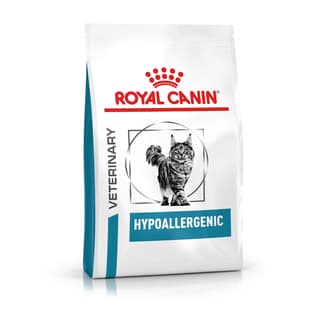
- - 10 %
from CHF 25.55
CHF 28.40Royal Canin Veterinary DietComplete food for adult cats with nutrient intolerances, food intolerances or sensitive skin
-
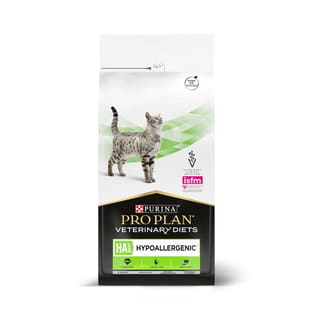
from CHF 25.80
Purina Pro Plan Veterinary DietsComplete food for the diagnosis and treatment of Food allergies and intolerances in adult cats and kittens
-
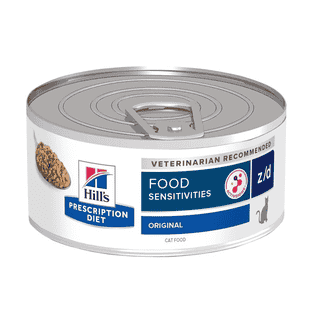 CHF 83.60Free shippingHill's Prescription Diet
Allergy diet for cats
Enriched with Hill's ActivBiome+ technology -
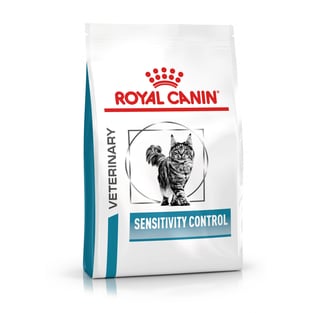
- - 10 %
from CHF 29.15
CHF 32.40Royal Canin Veterinary DietFor cats with food intolerance
-
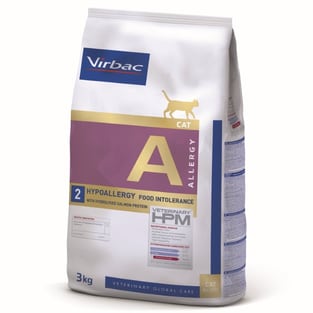 CHF 63.90Virbac Veterinary
Complete food for cats with food intolerance and diseases of the skin and/or digestive tract
-
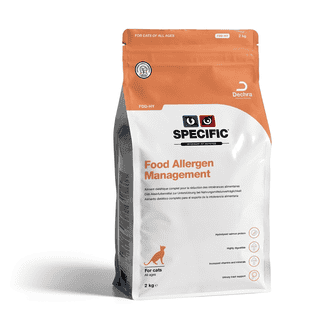 Special Price CHF 41.40 Regular Price CHF 41.40Specific Diätfutter
Food allergy and/or intolerance. Special: Hydrolyzed protein source, for cats
-
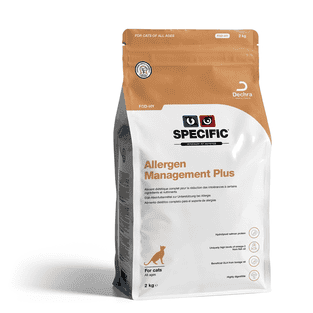 CHF 44.40Specific Diätfutter
Food allergy and/or atopy Special: Hydrolyzed protein source, for cats
-
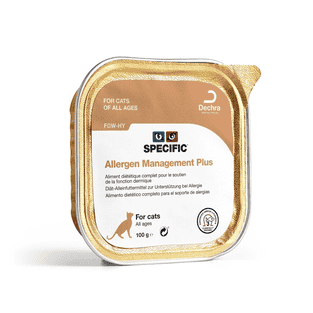 CHF 68.60Specific Diätfutter
Food allergy and/or atopy Special: Hydrolyzed protein source, for cats
-
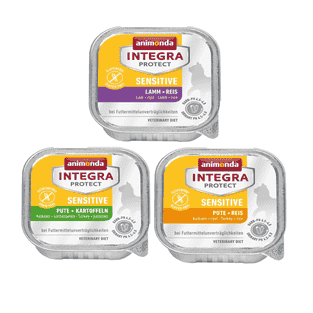
from CHF 30.60
animonda Integra ProtectComplete food for sensitive cats with food intolerance
-
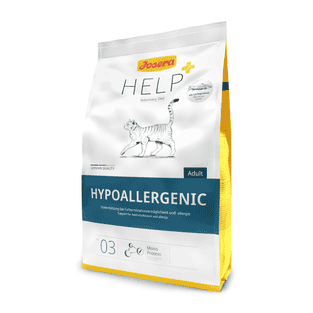
from CHF 25.50
Josera HELP Veterinary DietComplete dietary food for adult cats to reduce nutrient intolerances.
-
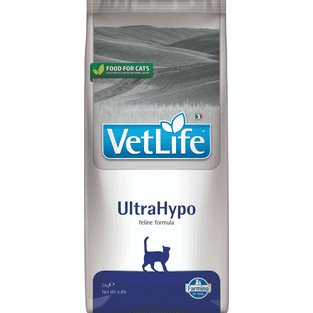
- - 30 %
from CHF 42.70
Farmina Vet LifeFor cats. For allergic reactions and atopy.
-
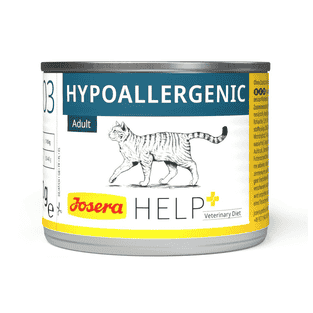 CHF 52.50Josera HELP Veterinary Diet
Complete diet food for adult cats to reduce nutrient intolerances, grain-free and monoprotein
-
 CHF 63.80Specific Diätfutter
Food allergy and/or intolerance, for cats
-
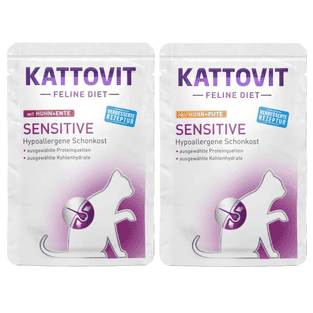
from CHF 39.20
Kattovit Feline DietHypoallergenic light food for cats
-
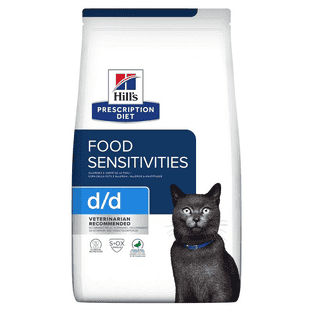 CHF 32.70Hill's Prescription Diet
Allergy diet with duck
-
 CHF 30.60animonda Integra Protect
Complete food for sensitive cats
-
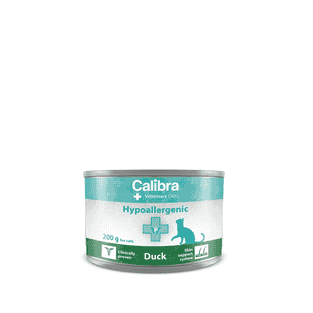 CHF 22.40Calibra Veterinary DietsFor Food allergies and intolerances and skin problems
 -
- - 10 %
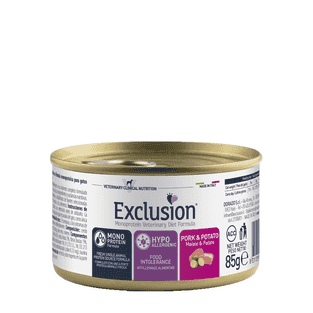
Special Price CHF 45.45 Regular Price CHF 50.50Exclusion DietComplete dietetic food with monoprotein formulation for cats with food intolerances.
-
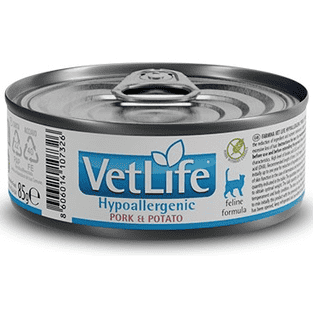 CHF 51.60Farmina Vet LifeComplete dietetic food for cats to reduce intolerances and dermatosis
 -
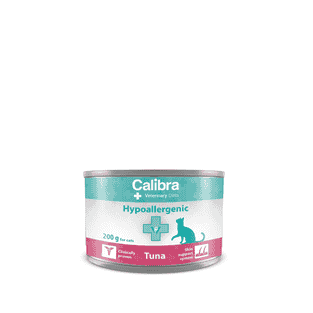 CHF 22.40Calibra Veterinary DietsFor Food allergies and intolerances and skin problems
 -
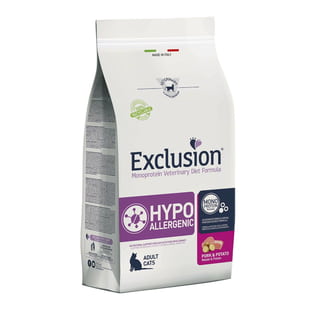
- - 10 %
CHF 22.25
CHF 24.70Exclusion DietComplete dietetic food with monoprotein formulation for cats with food intolerances.
-
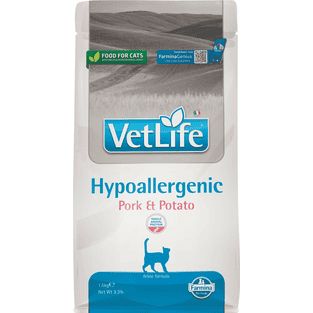 CHF 34.40Farmina Vet Life
Complete dietetic feed Reduction of intolerances to ingredients and nutrients, for dermatosis and hair loss
-

from CHF 50.60
Kattovit Feline DietDiet dry food for cats, for food intolerances and allergies
-
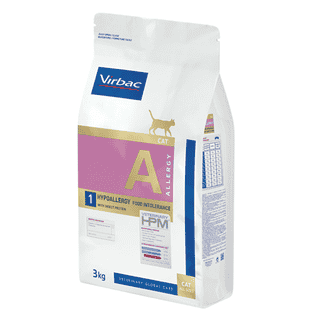 CHF 63.90Virbac Veterinary
Complete food with insect protein for cats with food intolerances and Food allergies.
Due to a temporary production bottleneck, this product can no longer be supplied at the moment. As an alternative we can offer Virbac HPM Cat Allergy A2.
-
-
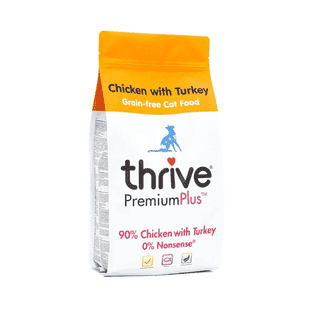 CHF 56.90Thrive
Premium Dry Cat Food with Chicken and Turkey
-
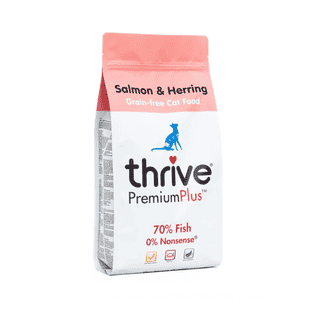 CHF 52.80Thrive
Premium Dry Cat Food with Salmon and Herring
-
- - 20 %
- New
from CHF 46.10
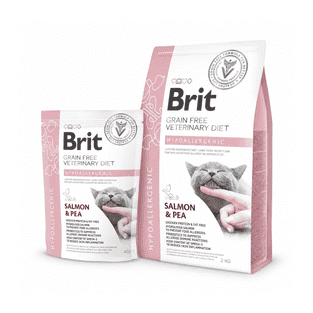
CHF 57.60BritDietary complete dry food for cats with food intolerances


How do I recognize a food intolerance in my cat?
Unlike in dogs, an intolerance in cats usually manifests itself on the skin. Look out for these typical signs:
- Severe itching, especially on the head and neck, leading to constant scratching.
- Excessive grooming, leading to bald spots, often symmetrical on the belly, flanks, or the inside of the legs.
- Small, crusted pustules on the skin.
- Dandruff and a dull, lusterless coat.
- Hair loss that exceeds the normal amount.
- Recurring ear infections that simply will not heal.
Digestive problems such as soft feces or vomiting can occur, but they are less often the main symptoms in cats. Importantly: a suspicion is not yet a diagnosis. A change of food should therefore never be done on a trial-and-error basis, but always in consultation with your veterinarian to find the exact cause.
The only reliable way to a diagnosis: the elimination diet
Unfortunately, blood or saliva tests are not very conclusive for diagnosing a food allergy in cats. The recognized gold standard is the so-called elimination or exclusion diet. It usually lasts 8 to 12 weeks and reliably determines what your cat is reacting to.
The principle is simple but requires absolute consistency: for this period, your cat is fed exclusively a diet specially developed for this purpose. Meanwhile, all other food sources are strictly off-limits – this includes treats, chews, table scraps, or flavored medications. Even a small bite can distort the result and ruin weeks of effort. If the symptoms improve, the cause has been found.
An important note for outdoor cats: for cats that catch mice outside or eat at the neighbor's house, such a diet is very difficult to control and therefore less conclusive.
What is behind hypoallergenic cat food? The two approaches
The term "hypoallergenic" is not protected. The composition is what matters. In essence, there are two dietary approaches to avoiding allergic reactions:
1. A new protein source (Novel Protein)
The idea is clever: the immune system can only react to something it already knows. The most common triggers are proteins widely used in standard food, such as beef, chicken, fish, and milk protein. This approach specifically switches to a protein source that the cat has most likely never eaten before, such as insects, pork, or duck. This is also referred to as monoprotein cat food, as it contains only this one animal source. It is the ideal basis for a classic elimination diet.
2. Broken down proteins (Hydrolyzed food)
In this high-tech approach, proteins are broken down into tiny building blocks through a process called hydrolysis. These particles are so small that the cat's immune system no longer recognizes them as an "enemy" and an allergic reaction does not occur. This path is particularly effective when it is unclear what the cat is reacting to, or if it is already sensitive to many different proteins. For particularly severe cases, there is food with extremely broken down proteins (anallergenic), which reduces the risk of reaction to an absolute minimum.
Finding the right hypoallergenic cat food: Brands and their concepts
The choice of the right food depends on the chosen approach and your cat's needs. Here is an overview:
- Royal Canin: Offers a tiered system. Sensitivity Control uses the novel protein principle (e.g., with duck). Hypoallergenic is based on hydrolyzed proteins, while Anallergenic represents the most intensive form for severe cases.
- Hill’s: The proven line Hill's Prescription Diet z/d works with hydrolyzed chicken protein and is known for its high tolerability.
- Purina: Pro Plan Veterinary Diets HA St/Ox Hypoallergenic is also a diet based on hydrolyzed proteins for diagnosis and treatment.
- SPECIFIC: Relies on hydrolyzed salmon protein for Food Allergen Management. The Plus variant additionally strengthens the skin barrier, ideal for combined food and environmental allergies.
- Other specialists: Brands like Virbac (with insect protein), Exclusion (with pork), or Josera, Farmina, and Calibra expand the spectrum with well-thought-out recipes based on specific novel proteins.
FAQ – Hypoallergenic cat food
-
-
Hypoallergenic means that a food is designed to trigger as few allergic reactions as possible. This is achieved by using only one or a new protein source (novel protein) or by using enzymatically heavily broken down proteins (hydrolyzed food).
-
It helps to relieve the cat's immune system by avoiding potential allergy triggers. As a result, symptoms such as itching, skin inflammation, and digestive problems caused by a food intolerance can subside.
-
A significant improvement in symptoms should occur within a strict elimination diet after about 8 to 12 weeks. Skin symptoms often take longer to heal than digestive problems.
-
In hydrolyzed food, the proteins are broken down into molecules so small that the cat's immune system can no longer identify them as allergens. This minimizes the risk of an allergic reaction.
-
If a food intolerance has been diagnosed and your cat tolerates the food well, it can usually be fed for life. These veterinary diets for cats are formulated as complete feeds and cover all nutritional needs.
-
The most common symptoms are skin problems such as severe itching (especially on the head and neck), excessive grooming, bald spots, small crusts, and recurring ear infections. Digestive disorders occur less frequently.
-
The most frequent triggers for food allergies in cats are proteins from beef, chicken, fish, and dairy products, as these are present in many commercial cat foods.
-
The only reliable test is a veterinary-supervised elimination diet for 8 to 12 weeks. Blood or saliva tests are not considered conclusive for this diagnosis.
-
z/d is the name of a product line from Hill’s Prescription Diet. It is a highly hydrolyzed therapeutic food developed to minimize allergic reactions to food proteins.
-
Yes, monoprotein food is an excellent choice, especially for cats with allergies or intolerances. Since it contains only a single animal protein source, it is highly digestible and ideal for an elimination diet.
-
These three lines offer different dietary levels: Sensitivity Control uses a new, single protein source (novel protein). Royal Canin Hypoallergenic uses broken down (hydrolyzed) proteins. Anallergenic contains extremely heavily hydrolyzed proteins for maximum safety in severe allergies.
-
No, Royal Canin Anallergenic dry food does not necessarily need to be soaked. It can be fed dry. However, soaking it in water is possible if your cat prefers this or needs to take in more fluids.
-
No, not necessarily. A grain allergy is rare in cats. Most reactions are directed against animal proteins like chicken or beef. A grain-free food can therefore still contain allergens to which your cat reacts.
-
With a successful elimination diet, the itching often noticeably subsides after 3 to 4 weeks. However, it can take up to 12 weeks for the skin to fully regenerate and for the itching to disappear completely.
-
No, this food is intended for cats with food intolerances, not for humans with a cat hair allergy. If you are allergic to your cat, there are special foods that can reduce the main allergen in the cat's saliva.
-
- brands 258
- Bland diet for cats 57
- Hypoallergenic cat food 31


The online store of Swiss veterinarians with cat veterinary diet food and cat pharmacy.


