

 EN
 DE
 FR
Renal Cat Food
The diagnosis of kidney disease in your cat is often a shock and raises many questions. Proper nutrition is now the most crucial building block to preserve your pet's quality of life for as long as possible. Which renal food is the right one depends on the stage of the disease and, of course, on your cat's preferences. If you are unsure, feel free to make use of our free veterinary dietary consultation for personalized support.
Filters
-
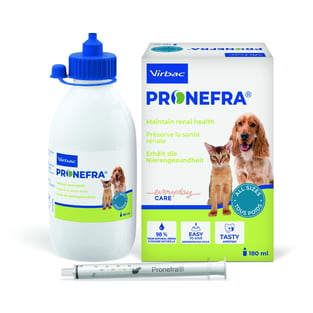
from CHF 33.65
VirbacSupports kidney function in dogs and cats
Available in 60 or 180 ml -

-
 CHF 44.90Dechra
Physically acting selective adsorber for binding the precursors of uremic toxins in the intestine of cats.
-
 Free shipping
from CHF 93.90
Royal Canin Veterinary DietFor cats with chronic kidney failure
-
- - 10 %
Free shippingfrom CHF 59.40
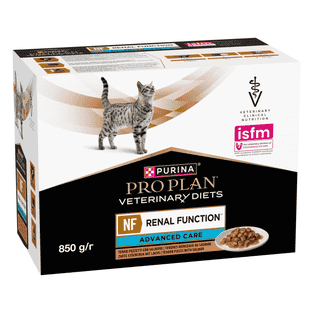
CHF 66.00Purina Pro Plan Veterinary Dietsto support kidney function in the case of chronic Renal insufficiency in adult cats
with chicken or salmon -

- - 15 %
from CHF 41.70
Royal Canin Veterinary DietFor cats with chronic kidney failure
-
 CHF 41.20VetPlus
Liquid feed supplement to support kidney function for dogs and cats
-
 CHF 92.60Free shippingRoyal Canin Veterinary Diet
Renal insufficiency for cats over 1 year old
-

from CHF 32.10
Hill's Prescription DietComplete dietetic food with chicken to support kidney function in cats with kidney disease
Note: this food now has an improved kibble size (Old: 9 mm; New: 10.55 mm)!
-
 CHF 28.70RECOACTIV
High-calorie complete feed to support kidney function in chronic kidney disease
promotes appetite, for diarrhea and weakness -

- - 15 %
from CHF 41.70
Royal Canin Veterinary DietFor cats with chronic kidney failure and weight loss
-

- - 10 %
from CHF 26.00
CHF 28.90Purina Pro Plan Veterinary Dietsfor support in the later stages of chronic Renal insufficiency
-

- - 10 %
Special Price CHF 61.40 Regular Price CHF 68.20Purina Pro Plan Veterinary Dietsto support the management of early stages of chronic Renal insufficiency
-
 CHF 84.00Free shippingHill's Prescription Diet
Heart and kidney diet with chicken, salmon or beef
-

from CHF 22.80
CandioliSupplementary feed for dogs and cats, with a high content of essential fatty acids
-

- - 10 %
Special Price CHF 55.60 Regular Price CHF 61.80Purina Pro Plan Veterinary Dietsto support kidney function in the case of chronic Renal insufficiency in the adult cat
-

- - 15 %
from CHF 39.90
Royal Canin Veterinary DietFor cats with chronic kidney failure and loss of appetite
-
 CHF 7.20Kattovit Feline Diet
Protein-reduced complementary food to support normal kidney function in cats
-
 CHF 33.80RECOACTIV
High-calorie complete feed to support kidney function in chronic kidney disease
promotes appetite, for diarrhea and weakness -
 CHF 32.90Dechra
Food supplements for cats to reduce the absorption of phosphate
-

from CHF 31.80
Royal Canin Veterinary DietFor cats with chronic kidney failure in the early stages
-

from CHF 49.80
Kattovit Feline DietCat drink for cats with kidney disease
24 x 135ml -

from CHF 28.60
vetoquinolComplementary food for cats and dogs with chronic Renal insufficiency
-
 CHF 18.80Kattovit Feline Diet
Complete food for cats with kidney disease
-
 CHF 91.50Free shippingRoyal Canin Veterinary Diet
For cats with chronic kidney failure in the early stages
-

- - 10 %
Special Price CHF 26.00 Regular Price CHF 28.90Purina Pro Plan Veterinary Dietsto support the management of early stages of chronic Renal insufficiency
-
 CHF 61.80Hill's Prescription Diet
To support kidney function and maintain muscle mass
-

from CHF 39.20
Kattovit Feline DietFor cats with kidney disease
-
 CHF 30.40RECOACTIV
Supplement stimulates food intake during food changes and nutritional crises
suitable for cats with renal insufficiency -
 CHF 61.00Hill's Prescription Diet
To support kidney function and maintain muscle mass
-

from CHF 34.10
Hill's Prescription DietKidney diet for cats with joint problems
-

- - 30 %
from CHF 25.40
Farmina Vet LifeFor cats. For chronic or acute Renal insufficiency.
-

from CHF 32.10
Hill's Prescription DietHeart and Kidney Diet, with Salmon
Note: This product has been updated to the successor product, Feline k/d Kidney Care Salmon. The flavor has changed from tuna to salmon, resulting in an improved recipe. The intended use and function of the food remain unchanged.
-
 CHF 26.60Farmina Vet Life
Wet food for cats. For chronic or acute Renal insufficiency.
-

- - 10 %
Special Price CHF 51.85 Regular Price CHF 57.60Specific DiätfutterChronic kidney, heart, and liver failure; urolithiasis; for cats
*For information regarding the appearance of the food, see the end of the product description.
-
CHF 25.60
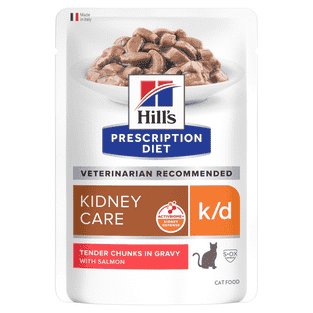
Hill's Prescription DietHeart and kidney diet with salmon
-

- - 10 %
Special Price CHF 82.60 Regular Price CHF 91.80Free shippingSpecific DiätfutterChronic renal, cardiac and hepatic insufficiency, urolithiasis, for cats
-

from CHF 30.60
animonda Integra ProtectComplete food for cats with chronic Renal insufficiency
-
 CHF 91.50Free shippingVirbac Veterinary
Wet food to support kidney function in chronic Renal insufficiency and joint metabolism in osteoarthritis
-

- - 10 %
Special Price CHF 34.45 Regular Price CHF 38.30Specific DiätfutterChronic renal, cardiac and hepatic insufficiency, urolithiasis, for cats
-

from CHF 12.30
animonda Integra ProtectComplete food for cats with chronic Renal insufficiency
-
 CHF 73.00Free shippingHill's Prescription Diet
To support the kidneys
-
CHF 24.40
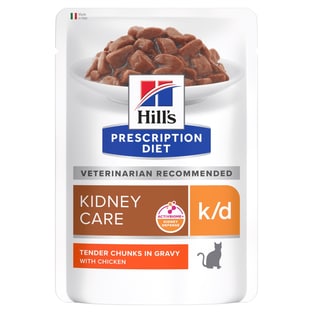
Hill's Prescription DietHeart and kidney diet with chicken
-
 CHF 58.20Virbac Veterinary
To support the kidneys in cats with advanced stages of chronic kidney disease, with or without joint problems
-
 CHF 91.50Free shippingVirbac Veterinary
To support the joint metabolism in osteoarthritis
-
 CHF 58.10Virbac Veterinary
To support the joint metabolism in osteoarthritis
-

from CHF 28.70
Josera HELP Veterinary DietComplete dietary food for adult cats to support kidney function in chronic Renal insufficiency.
-
 CHF 58.10Virbac Veterinary
To support joint metabolism in osteoarthritis and kidney function in chronic Renal insufficiency


What a renal diet does for your cat – and what it doesn't
Unfortunately, chronic kidney disease (CKD) in cats is incurable, as destroyed kidney tissue cannot regenerate. However, a specially formulated renal diet can demonstrably slow the progression of the disease and relieve typical symptoms such as nausea. Diet food is therefore a key component of veterinary treatment, which it specifically supplements but under no circumstances replaces.
The building blocks of good renal food: What really matters
A good renal food is not a simple deficiency diet. It is a carefully formulated nutritional plan based on three key adjustments.
Reduced phosphorus content: The crucial factor
The most important measure to slow down chronic kidney disease is reducing phosphorus in the diet. Since damaged kidneys can barely excrete excess phosphate, it accumulates in the blood and accelerates the destruction of kidney tissue. Food with a significantly reduced phosphorus content is therefore the decisive factor for a longer life expectancy for your cat.
Adjusted protein content: Quality over quantity
The myth that cats with kidney disease should eat as little protein as possible is outdated. Rather, it is about the type and right amount of protein. Renal diets contain highly digestible proteins in a moderately adjusted amount. This ensures that the body has sufficient building blocks to maintain muscle mass, while at the same time generating fewer harmful waste products (such as urea) that the kidneys would have to filter.
Functional additives: Omega-3 fatty acids & potassium
High-quality renal diets are often enriched with additional nutrients. These include, in particular, omega-3 fatty acids (especially EPA), which can reduce inflammatory processes in the kidneys. In addition, since cats with kidney disease often tend to suffer from potassium deficiency—which can lead to muscle weakness and loss of appetite—the potassium content in the food is specifically adjusted to stabilize the electrolyte balance.
Wet food or dry food for kidney problems?
Adequate fluid intake is vital for cats with kidney disease, as their kidneys can no longer concentrate urine properly, causing them to lose a lot of fluids. Wet food has a clear advantage here, as it consists of around 70–80% water and thus actively supports your cat's hydration. It is also more readily accepted by many cats with waning appetites. However, dry food is not forbidden. Often, mixed feeding of wet and dry food is the best and most practical solution to accommodate your cat's preferences. Special products like the Kattovit Niere/Renal Drink can additionally help increase fluid intake.
The right cat renal food for every stage of the disease
Chronic kidney disease in cats is divided into different stages. Which stage your cat is in is determined by the veterinarian based on blood and urine values. Based on this diagnosis, the appropriate diet food is selected, tailored precisely to your cat's needs during this phase.
Feline kidney disease: The early stages
In the initial stage of the disease, kidney function is only slightly impaired. Special early-stage diets with moderately adjusted nutrient levels are used here. They offer initial relief without placing too many restrictions on the body. Examples of such foods include Royal Canin Early Renal, Purina Pro Plan Veterinary Diets NF Early Care, or Virbac Veterinary HPM Kidney Support KJ1.
Advanced stages of renal insufficiency
In advanced stages, comprehensive relief for the kidneys is necessary. Classic renal diets have a significantly reduced phosphorus content and an adjusted level of high-quality protein. They are designed to slow down the progression of the disease as effectively as possible and relieve symptoms. These diets include, among others, Royal Canin Renal, Hill’s Prescription Diet k/d, SPECIFIC FKD Kidney Support, or Kattovit Niere/Renal.
Late stage & acceptance issues
Cats in late stages of the disease or those with general food acceptance problems often suffer from severe loss of appetite. For these cases, there are particularly palatable varieties of renal diets designed to stimulate eating through a special recipe or a different kibble shape. Examples include the Royal Canin Renal Special or Renal Select lines.
What should cats with kidney disease not eat?
The effectiveness of a renal diet depends crucially on your consistency. Any "normal" treat can ruin therapeutic success. Foods rich in phosphorus, such as cheese, dried fish, sausages, organ meats, and most conventional snacks and chew sticks, are strictly taboo. Rely exclusively on special renal snacks that are tailored to the diet.
Feed supplements: When a cat renal diet alone is not enough
Sometimes changing the diet alone is not enough to stabilize all values. In such cases, and in consultation with your veterinarian, targeted supplements can help improve your cat's values further.
Phosphate binders: When phosphate levels remain elevated
If the blood phosphate level remains too high despite a strict diet, phosphate binders are used. They are administered directly with the food and bind part of the dietary phosphorus in the gut so that it does not enter the bloodstream in the first place. Proven products include Pronefra, Ipakitine, or Catney One.
Intestinal adsorbers: A different mode of action
Porus One pursues a different approach. This product is a so-called adsorber that binds the precursors of uremic toxins in the intestine. These harmful metabolic byproducts are then excreted in the feces instead of burdening the kidneys. To enhance acceptance when mixing it in, special treats such as Add One are available.
Nutrient compensation: Potassium, Omega-3 & more
Cats with kidney disease can lose vital nutrients such as potassium via urine or have an increased need for anti-inflammatory omega-3 fatty acids. Specific supplements such as Kaminox (for potassium supplementation) or DuOmega (highly concentrated omega-3 fatty acids) can help balance these deficiencies in a targeted manner.
Appetite stimulation & recovery: Support in critical phases
If your cat eats poorly due to nausea and loses weight, special high-calorie pastes and tonics can help. Products like RECOACTIV Recovery Renal are particularly palatable, stimulate the appetite, and supply the weakened body with readily available energy and essential vitamins.
Help, my cat won't eat the renal food!
A lack of acceptance of renal diets is one of the biggest challenges for cat owners. The main reason is often not the food itself, but disease-related nausea that diminishes appetite. Forcing the cat is entirely counterproductive. Give your cat time and try the following tips:
- Only begin the dietary transition once your cat has stabilized after an acute crisis and is eating voluntarily again.
- Mix the new food extremely slowly into the familiar food. Start with a single teaspoon and increase the proportion over several weeks.
- Combine different varieties of wet and dry food to find your cat's preferred texture.
- Gently warm the wet food to body temperature. This intensifies the aroma and makes it much more appealing to many cats.
Prevention: What do I feed my older, but still kidney-healthy cat?
Chronic kidney disease develops insidiously. In veterinary experience, regular blood and urine checks are therefore highly recommended for cats from around seven years of age. As long as your cat's kidney values remain within the normal range, a medical renal diet is not required. Instead, a high-quality senior food is the right choice. This is already tailored to the needs of older cats and usually contains a moderate phosphorus level and highly digestible proteins. A good example is Royal Canin Health Nutrition Sterilised 7+. An important distinction must be made: senior food provides age-appropriate nutrition, but it cannot "prevent" kidney disease or "protect" the kidneys.
FAQ — Renal Cat Food
-
-
Foods rich in phosphorus, such as cheese, dried fish, organ meats, and most conventional treats, should be strictly avoided. These put additional strain on the already compromised kidneys and can jeopardize the success of the diet.
-
A consistent renal diet with reduced phosphorus, high-quality protein, and omega-3 fatty acids is the most important measure. In addition, high fluid intake, for example through wet food, and an environment as stress-free as possible are beneficial.
-
In chronic renal insufficiency, destroyed kidney tissue is permanently lost. However, with appropriate veterinary treatment and a consistent renal diet, the progression of the disease can be slowed, and blood values can often be stabilized or even slightly improved.
-
All three varieties are complete renal diets, with "Select" and "Special" specifically developed for finicky cats suffering from disease-related loss of appetite. The difference lies in the texture of the kibble:
- Renal Select: Features a pillow-shaped kibble with a special dual texture (crispy on the outside, soft on the inside). This variant is ideal for cats that appreciate texture variety or have slight chewing difficulties.
- Renal Special: Strongly resembles conventional standard food in aroma and taste. With its triangular kibble, it is the best choice for cats that reject classic renal food but prefer a familiar firmness.
-
Several small meals spread throughout the day (ideally 3 to 4) are better than one or two large portions. This relieves the digestive tract, can help prevent disease-related nausea, and ensures a more consistent supply of nutrients.
-
Typical signs include increased drinking and frequent urination, unexplained weight loss, loss of appetite, and vomiting. A dull coat, fatigue, or bad breath can also indicate kidney disease.
-
No, absolutely not. Renal food is a medical dietetic food for cats with severely reduced protein and phosphorus content. For a healthy cat, this composition does not meet nutritional requirements and can lead to deficiencies in the long run.
-
Due to its high moisture content, wet food is ideal for properly flushing the kidneys and ensuring vital fluid intake. If your cat prefers dry food, however, mixed feeding is a good and often more practical solution.
-
Mix the new food very slowly into the familiar food over a period of two to four weeks. You can also try gently warming the food or testing different varieties and brands until you find one your cat accepts.
-
When your cat's blood phosphate level remains too high despite consistent feeding of a renal diet. A phosphate binder is then added to the food in consultation with the veterinarian to further reduce intestinal phosphorus absorption.
-
Classic phosphate binders bind excess phosphate directly in the food so that it does not enter the bloodstream. Porus One, on the other hand, is an intestinal adsorber that binds the precursors of uremic toxins in the gut, promoting their excretion and thus relieving the kidneys.
-
For powdered supplements like Porus One, there are specially developed mix-in treats like Add One. These palatable snacks are tailored to the needs of cats with kidney disease and significantly increase acceptance, making daily administration much easier.
-
No, as long as your cat's kidney values are classified as normal by the veterinarian, a medical renal diet is not necessary. The right choice is a high-quality senior food with moderate phosphorus content, formulated to meet the general needs of older cats.
-
Based on veterinary experience, annual preventive check-ups are recommended for cats from around seven years of age. A blood and urine screening can help detect developing kidney disease at an early stage.
-


