
 EN
EN  DE
DE  FR
FR Dog Osteoarthritis: Supplements for Osteoarthritis & Joint Problems in Your Dog
A stiff gait after getting up, less enthusiasm for play, or hesitating before jumping into the car – joint problems can severely affect your dog's quality of life. Targeted nutrients can make a valuable contribution here by nourishing the joints from the inside and helping to maintain mobility. Discover our carefully selected products or let our team advise you to find the right solution for your four-legged friend.
Filters
-
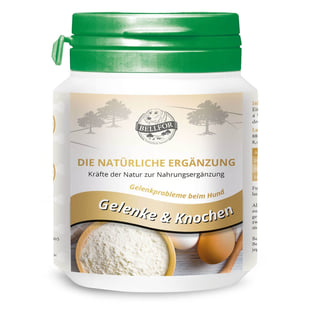 CHF 65.20Bellfor
100% natural food supplements for your dog, 80 capsules
-
 Free shipping
from CHF 76.45
TRMFood supplements for dogs to support joint metabolism
-
 CHF 43.90Holista
High-quality complementary food for adult dogs and cats
-
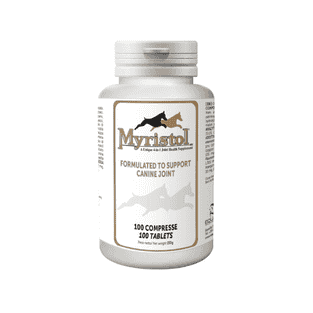 CHF 91.30Free shippingEquality
Supplementary feed for dogs, can help to keep joint wear and tear under control, especially in breeds with a predisposition to arthritis
-
 CHF 25.90Futtermedicus
Supplementary feed for dogs to support joint metabolism
-
-
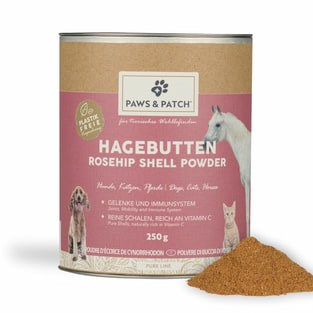 CHF 49.80Paws & PatchNatural source of vitamin C to support the immune system & mobility for dogs, cats and horses
 -
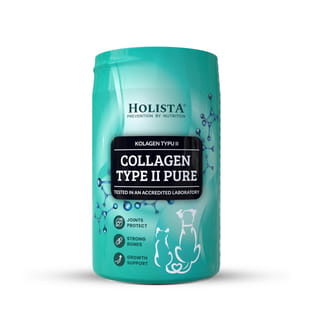 CHF 49.90Holista
High-quality feed supplement to support joint health in dogs and cats
-
 Free shipping
from CHF 69.90
HolistaHigh-quality supplementary feed to support the joint health of puppies and young dogs
-
- - 10 %
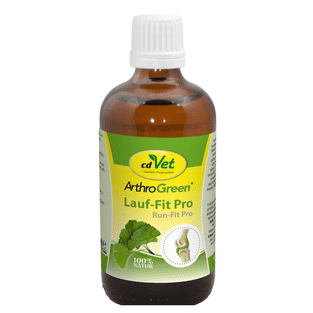
Special Price CHF 21.95 Regular Price CHF 24.40cdVetComplementary food for dogs & cats with joint problems
For increased nutritional requirements in the event of heavy strain -
-
 CHF 39.90Green Paw
Salmon oil with omega-3 fatty acids for dogs and cats; also suitable for certain rodents
-
 CHF 23.70Covetrus
Supplementary feed, chewable tablets to support joint health and the development of cartilage and connective tissue in dogs
-
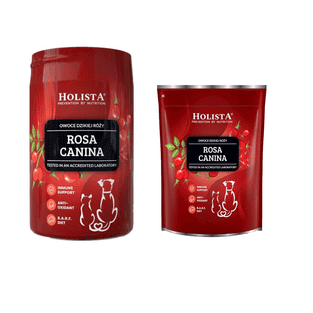
from CHF 49.90
HolistaHigh-quality complementary food for adult dogs and cats
-
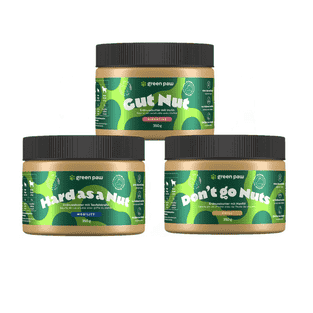 CHF 43.95Green Paw
Set of 3 different types of peanut butter for dogs with functional ingredients
-
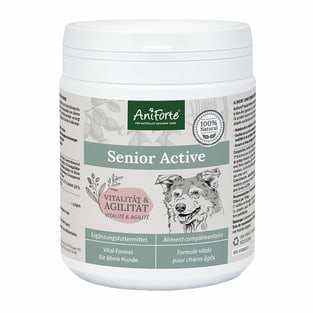 Special Price CHF 39.20 Regular Price CHF 39.20AniForte
Support for the joints & immune system, vitality & agility in old age. For older dogs & seniors
-
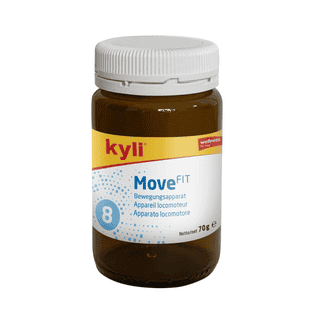
- - 10 %
Special Price CHF 27.55 Regular Price CHF 30.60kyli WellnessSupplementary feed for dogs to maintain mobility
-
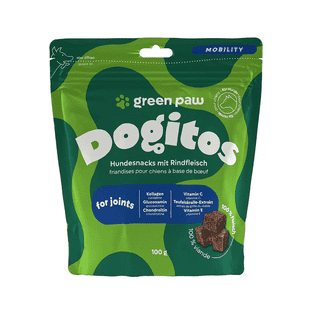 CHF 54.90Green Paw
Dog Treat with beef for mobility and joint support
-
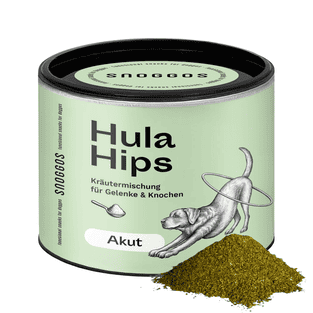
- New
CHF 32.80SNOGGOSNatural Herbal Blend for Joints and Bones
-
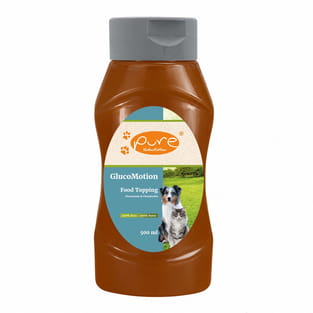
- New
from CHF 53.80
PURE NaturfutterTopping (supplemental feed) for dogs and cats with salmon oil, sheep fat, glucosamine, and chondroitin
-
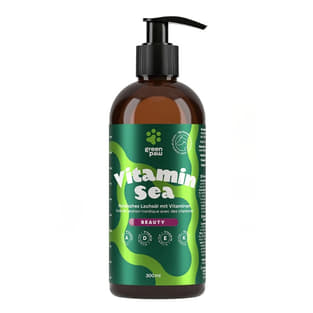 CHF 47.90Green Paw
Salmon oil with vitamins for dogs, cats, and certain rodents
-
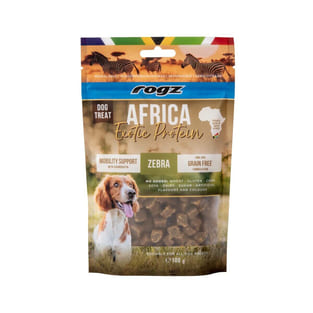 CHF 37.00rogz
Soft zebra treats, natural joint support for active dogs


Osteoarthritis in Dogs: What happens in the joint – and how nutrients help
Osteoarthritis in dogs is a creeping joint wear and tear, where the protective cartilage becomes increasingly thinner until, in the worst case, bone rubs against bone. Although this degenerative disease cannot be cured, its progression can be significantly slowed down. Older dogs, large breeds, and animals with predispositions such as hip dysplasia (HD) are particularly at risk. In addition to veterinary treatment, the right diet is a crucial factor: special nutrients provide the body with exactly the building blocks it needs to maintain the cartilage and produce joint fluid. This way, your dog's mobility can be preserved for longer.
How do I recognize joint problems and osteoarthritis in my dog?
Joint pain often manifests insidiously and is not always apparent at first glance. Pay attention to subtle changes in your animal's behavior and movement.
Typical signs of osteoarthritis in dogs are:
- Stiffness after rest periods: Your dog has trouble getting going after getting up ("start-up pain").
- Limping or lameness: The lameness may become more visible after heavy exertion or in cold, wet weather.
- Less joy in moving: Walks get shorter, interest in playing decreases.
- Difficulties with everyday movements: Climbing stairs, jumping into the car, or onto the sofa are avoided.
- Intensive licking of the joints: Dogs often try to soothe painful areas by licking.
- Behavioral changes: Some dogs become irritable due to chronic pain, withdraw, and react sensitively to touch.
What you can do for your dog with osteoarthritis
To ensure your dog's quality of life, a combination of several measures has proven effective. Consider it an overall package where every part is important:
- Weight management: Every kilogram of excess weight puts additional strain on the joints. Weight reduction is one of the most effective measures for pain relief.
- Adapted exercise: Regular but moderate exercise such as walking on a leash or swimming strengthens the muscles without overloading the joints. Stop-and-go sports should be avoided.
- Veterinary therapy: Depending on the severity, this includes pain-relieving and anti-inflammatory medications, physiotherapy, or in advanced cases, surgical options.
- Targeted nutrition: Specific nutrients provide cartilage and joints with everything they need for their function.
Active ingredients in focus: What is in dog joint supplements?
Dietary supplements for joints contain a variety of proven ingredients that often mutually reinforce their effects. The most important ones at a glance:
Green-lipped mussel
Imagine the New Zealand green-lipped mussel as a natural supplier of "joint fluid". It is rich in glycosaminoglycans (GAGs), the basic building blocks for healthy cartilage and functional joint fluid. Its valuable omega-3 fatty acids additionally help keep the joint in balance.
Devil's claw
This African medicinal plant is known for its beneficial properties. It is traditionally used to keep joints supple and maintain the joy of movement, especially when your dog seems a bit stiff in the morning. Important note: Devil's claw should not be used in pregnant bitches or dogs with gastrointestinal sensitivity without consulting a veterinarian.
MSM, Glucosamine & Chondroitin
This trio is the foundation for cartilage repair. Glucosamine and chondroitin are direct building blocks that the body uses to build cartilage and joint fluid. MSM (methylsulfonylmethane), a natural sulfur compound, is indispensable for the stability of collagen and connective tissue – practically the "mortar" that holds everything together.
Collagen & Omega-3 fatty acids for dogs
Collagen is the framework for the entire musculoskeletal system. It gives cartilage, tendons, and ligaments their stable and simultaneously flexible structure. High-quality omega-3 fatty acids, such as those found in fish oil, act as the "fire brigade" in the joint: they are known to inhibit inflammation and thus relieve pain processes.
Distinction: Understanding osteoarthritis, spondylosis, and hip dysplasia (HD) in dogs
Although these terms are often used in connection with mobility problems, they describe different conditions:
- Osteoarthritis in dogs: Refers to the degenerative wear and tear of the cartilage in a joint (e.g., hip, knee, elbow). It is the result of aging, overloading, or other underlying diseases.
- Spondylosis in dogs: This involves degenerative changes in the spine. Bony outgrowths (spondylophytes) form on the vertebral bodies, which can lead to stiffening of the spine.
- Hip dysplasia (HD) in dogs: This is a hereditary malformation of the hip joint in which the femoral head and the hip socket do not fit together correctly. This instability almost always leads to early osteoarthritis in the hip joint.
The correct application and dosage of dog joint supplements
The success of a joint cure depends on its correct application. Regularity and patience are crucial, as your dog's body needs time to process the nutrients. A noticeable effect often only appears after several weeks. Always stick exactly to the manufacturer's recommended dosage, as the concentration of active ingredients can vary greatly depending on the product. Many preparations are administered as a cure over several weeks or months but can also be given permanently for chronic complaints. If in doubt, ask your veterinarian for advice.
Prevention: How you can preventatively strengthen your dog's joints
Prevention is the best protection for healthy joints. You can set the course for a healthy musculoskeletal system as early as puppyhood and young adulthood. The most important preventive measures are:
- Maintain ideal weight: Overweight is the biggest risk factor for joint diseases.
- Joint-gentle exercise: Encourage smooth movements such as swimming or running on soft ground.
- Avoid overloading during growth: Excessive stair climbing, jumping, or walks that are too long should be avoided in puppies and young dogs of large breeds.
- Early support: In breeds with a known predisposition to joint problems, early administration of joint-active nutrients can be sensible.
When is a visit to the vet essential?
Dietary supplements are a valuable accompaniment but never replace a veterinary diagnosis and treatment. A secure diagnosis must always be made by a veterinarian to rule out other causes for the symptoms. Seek immediate veterinary attention if your dog suddenly limps severely, shows obvious pain, refuses to eat, or if its general condition deteriorates rapidly. Only a veterinarian can initiate adequate pain therapy and create an individual treatment plan for your dog.
FAQ – Frequently Asked Questions about Osteoarthritis in Dogs
-
-
A combination of four pillars works best: a healthy body weight, adapted and regular exercise, veterinary pain therapy, and targeted dietary supplements to support joint metabolism.
-
The best supplement fits your dog's individual needs and contains proven active ingredients. These include green-lipped mussel, glucosamine, chondroitin, MSM, collagen, or omega-3 fatty acids, which are often found in combination preparations. Here you will find more products on the topic of "Dog Supplements".
-
Green-lipped mussel provides natural glycosaminoglycans (GAGs), which are important building blocks for joint cartilage and joint fluid. In addition, the contained omega-3 fatty acids can positively influence joint metabolism.
-
Always adhere exactly to the manufacturer's dosage recommendation on the product packaging. The concentration of the active ingredients can vary depending on the product, which is why a blanket statement is not possible.
-
Devil's claw is traditionally used to support joint function and promote mobility. It can be a valuable herbal supplement for dogs with stiffness.
-
Osteoarthritis is the wear and tear of joint cartilage. Spondylosis refers to degenerative changes in the spine. Hip dysplasia is a congenital malformation of the hip joint that frequently leads to osteoarthritis.
-
Warmth, for example from a hot water bottle or a cherry pit pillow, can relax the muscles. A soft, orthopedic bed relieves the joints, and gentle massages can also do your dog good.
-
Seek immediate veterinary attention if your dog suddenly limps severely, vocalizes pain, completely stops bearing weight on a limb, or refuses food. A diagnosis should always be made by a vet.
-
Ensure a healthy body weight to relieve the joints. Provide regular but gentle exercise and avoid overloading, especially during puppyhood, by preventing too much jumping or stair climbing.
-
Yes, dietary supplements intended to support joint function are generally available over-the-counter in powder, tablet, or liquid form.
-
MSM (methylsulfonylmethane) is an organic sulfur compound. Sulfur is an important building block for the formation of collagen, the main component of cartilage, tendons, and ligaments, and thus supports the stability of connective tissue.
-
Since joint metabolism is slow, noticeable support usually only occurs after a few weeks (often 4-6 weeks) of regular administration. Patience and consistent administration are therefore crucial for success.
-
- Osteoarthritis & Joint Care for Dogs 70