EN
EN  DE
DE  FR
FR Key Molecules in the Treatment of Osteoarthritis
-
 By
med. vet. Bianca Michoud-Valente
By
med. vet. Bianca Michoud-Valente - Nov 2, 2023
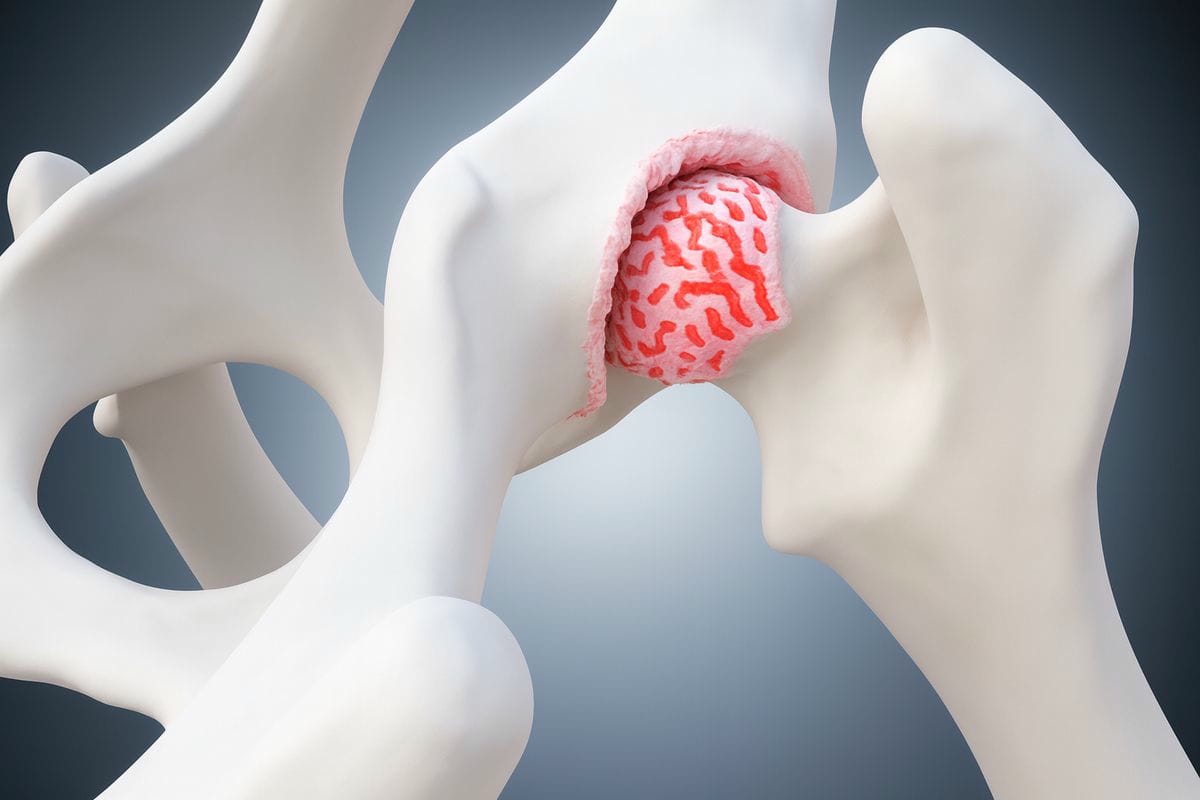
Osteoarthritis, also known as arthrosis, is a degenerative joint disease affecting many dogs and cats, especially older animals or those generally prone to joint diseases. To alleviate pain and maintain mobility in animals with osteoarthritis, certain molecules play a crucial role. They have proven effective in treating this degenerative condition and are included in many food supplements and special diet foods to support joint health. Thanks to their beneficial effects, they help these animals maintain a good quality of life.
Glucosamine
Glucosamine is one of the most commonly used molecules in food supplements for dogs and cats suffering from osteoarthritis. It occurs naturally in joint cartilage and plays a crucial role in its regeneration. Glucosamine supplementation can help maintain joint flexibility and function by stimulating the production of new cartilage tissue, which is essential for healthy joints. It thus contributes to the alleviation of joint pain and stiffness. The inclusion of Glucosamine in your pets' diet helps improve the quality of life for dogs and cats by reducing osteoarthritis symptoms and improving mobility.
Chondroitin Sulfate
Chondroitin sulfate is often combined with Glucosamine in food supplements for animals with osteoarthritis. It protects joint cartilage by maintaining its structure and promoting the production of synovial fluid, which lubricates the joints and gives them their cushioning properties. By helping to maintain cartilage flexibility, Chondroitin sulfate contributes to reducing pain and stiffness associated with osteoarthritis. The combination with Glucosamine enhances the synergistic effect in managing joint health.
Methylsulfonylmethane (MSM)
MSM is a natural sulfur compound that has proven anti-inflammatory and antioxidant properties. It helps reduce joint inflammation and alleviate pain associated with osteoarthritis, thereby improving mobility in animals with arthrosis. Furthermore, it promotes cartilage regeneration by supplying connective tissue with essential elements. Additionally, it is sometimes used in combination with Glucosamine and Chondroitin sulfate to achieve a synergistic effect.
Omega-3 Fatty Acids
Omega-3 fatty acids, found in fish oil, play a crucial role in the treatment of osteoarthritis. These essential fatty acids, especially eicosapentaenoic acid (EPA) and docosahexaenoic acid (DHA), are known for their anti-inflammatory properties. They reduce inflammation in the joints, which not only alleviates pain but also helps slow the progression of the disease. Furthermore, Omega-3 fatty acids promote the production of natural anti-inflammatory substances in the body.
Antioxidants
Antioxidants are crucial in the treatment of osteoarthritis in dogs and cats. This is because this inflammatory disease can be associated with increased oxidative stress. Antioxidants, such as vitamins E and C, and selenium, neutralize free radicals and reduce inflammation. They protect cells and joint tissue from the harmful effects of oxidation, slow the progression of osteoarthritis, and additionally strengthen the immune system.
Collagen and Eggshell Membrane
Collagen is a fundamental protein for joint health, making up a large part of the body's connective tissue and contributing to the formation and regeneration of cartilage. Cartilage is the soft substance that covers the ends of bones and ensures healthy joints.
Eggshells, mainly composed of calcium carbonate, contain an inner membrane rich in collagen. The collagen contained in the eggshell membrane helps improve the mobility of animals with arthrosis by strengthening the joint cartilage. It also promotes the regeneration of damaged cartilage, thus helping to slow the progression of arthrosis.
Chondroprotectors
Chondroprotectors such as Hyaluronic acid protect joint cartilage by reducing the degradation of cartilage tissue and promoting its regeneration. Specifically, Hyaluronic acid is a natural molecule found in the synovial fluid of joints, where it acts as a lubricant and shock absorber. When administered as a food supplement, it can help restore the viscosity of synovial fluid, thereby reducing friction in the joints and alleviating pain associated with arthrosis. It also has anti-inflammatory properties, making it a valuable ally in improving the mobility and quality of life for animals with osteoarthritis.
It is important to note that these molecules do not replace veterinary-prescribed medicinal treatment. Rather, the treatment of osteoarthritis in dogs and cats requires a multimodal approach that includes various treatment strategies such as weight management, physiotherapy, veterinary-prescribed medications, and adapting the animal's living conditions.
Only then can these key molecules play a valuable role in improving the quality of life for pets with osteoarthritis by reducing pain, improving mobility, and promoting long-term joint health.

Set ipet.ch as a preferred source on Google
Never miss a tip: Set ipet.ch as a preferred source in your Google account so that our veterinary advice and pet care guides appear higher up in your search results. Optional and can be undone at any time.
Set as preferred source →Useful information at a glance
What role does Glucosamine play in the treatment of Osteoarthritis in pets?
Glucosamine is a naturally occurring molecule in joint cartilage and plays a crucial role in its regeneration. It is frequently used in food supplements for dogs and cats with Osteoarthritis to maintain joint flexibility and function. By stimulating the production of new cartilage tissue, it contributes to the relief of joint pain and stiffness and improves the quality of life for pets.
How does Chondroitin Sulfate support joint health in animals with Osteoarthritis?
Chondroitin Sulfate protects joint cartilage by maintaining its structure and promoting the production of synovial fluid, which lubricates the joints. It helps maintain cartilage flexibility and reduces pain and stiffness associated with Osteoarthritis. In combination with Glucosamine, its effect in supporting joint health is enhanced.
What Benefits do Omega-3 Fatty Acids offer in the treatment of Osteoarthritis in pets?
Omega-3 fatty acids, especially EPA and DHA, are known for their anti-inflammatory properties. They reduce inflammation in the joints, relieve pain, and slow the progression of the disease. Additionally, they promote the production of natural anti-inflammatory substances in the body, which improves the quality of life for animals with Osteoarthritis.
Why are Antioxidants important for pets with Osteoarthritis?
Antioxidants such as vitamins E and C, as well as selenium, neutralize free radicals and reduce inflammation that can accompany Osteoarthritis. They protect cells and joint tissue from oxidative stress, slow the progression of the disease, and strengthen the immune system, contributing to an improved quality of life for affected animals.
How can Chondroprotectors like Hyaluronic Acid improve joint health in pets?
Chondroprotectors like Hyaluronic Acid protect joint cartilage by reducing the breakdown of cartilage tissue and promoting its regeneration. Hyaluronic Acid improves the viscosity of synovial fluid, reduces friction in the joints, and relieves pain. Its anti-inflammatory properties contribute to improved mobility and quality of life for animals with Osteoarthritis.