
 EN
EN  DE
DE  FR
FR Dementia in Dogs and Cats
-
 By
Dr. med. vet. Sabina Büttner
By
Dr. med. vet. Sabina Büttner - Jan 24, 2021
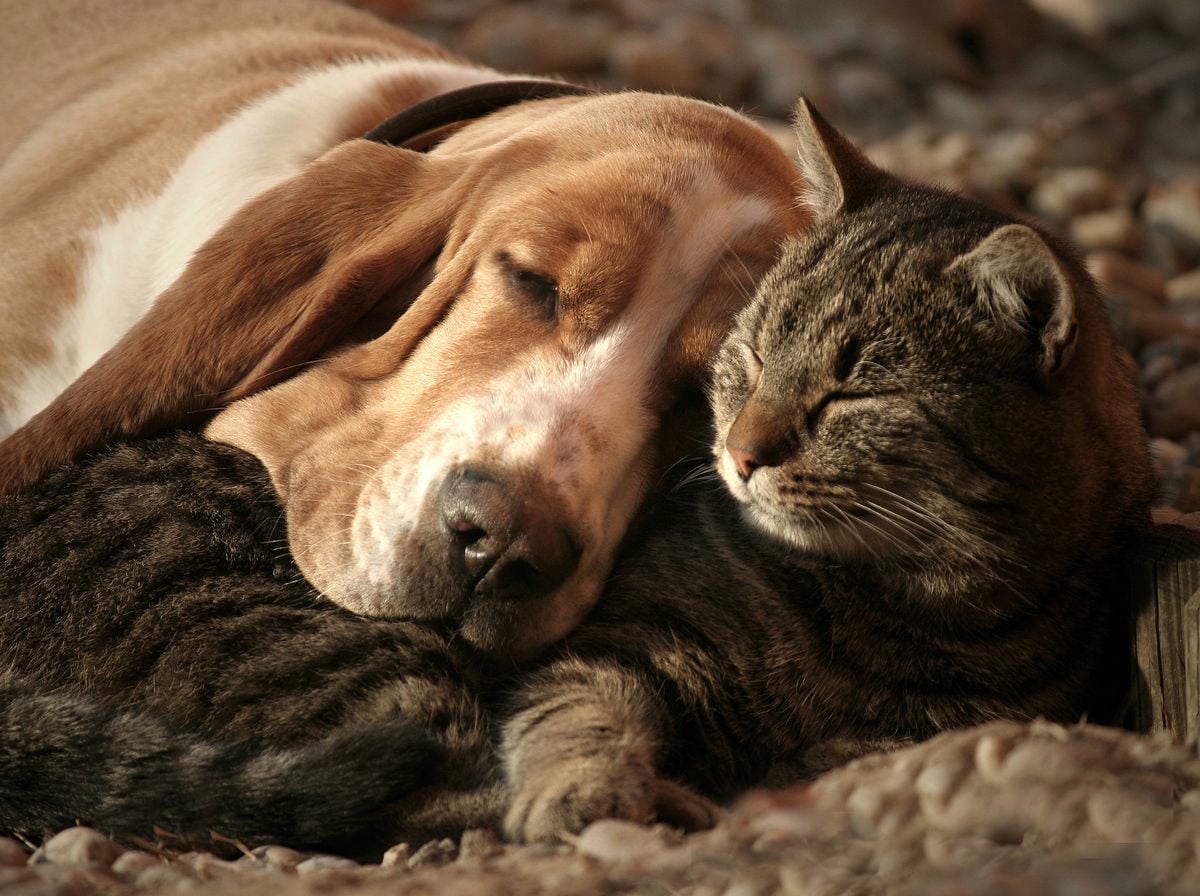
Dogs and cats are living longer and longer! This delightful fact, however, means that age-related dementia is now more frequently encountered in pets. What are the signs, and what can we do about it?
With increasing age, the risk of declining mental performance also rises in dogs and cats. This primarily affects the animals' behavior, with the following changes appearing particularly often in connection with the aging process:
- Confusion
The animal shows difficulties in everyday life, for example, finding the door or orienting itself during walks
- Withdrawal
It seeks less frequent contact with its owner or other animals
- Changes in sleep patterns
Sleep habits suddenly change; the animal is awake more often at night
- Loss of house-training
It is suddenly no longer house-trained or no longer uses the litter box
- Fatigue
It plays less and sleeps significantly more
If you have observed any of these signs in your pet, please contact your veterinarian for a thorough examination, as it is important to rule out pathological causes for the behavioral changes.
How can we support our aging dogs and cats?
The aging process cannot be stopped, even in our pets. Nevertheless, as pet owners, we can do a lot to ensure that our beloved companions remain as physically and mentally fit and active as possible in their old age.
To maintain mental abilities, it is important to continue encouraging your aging pet to exercise regularly through walks and play sessions. Continue to offer them varied toys and practice familiar as well as new commands and tricks.
Feed a balanced food that contains many natural antioxidants and has a nutrient profile appropriate for their age.
If your pet already shows clear signs of aging, you should ensure that the daily routine is maintained as much as possible and that the environment is kept consistent and safe. Medication from the veterinarian can also help ensure that brain performance does not further decline.
Above all, enjoy the time with your senior companion, spoil them a little, and plan as many shared activities as possible that bring joy to both of you!

Set ipet.ch as a preferred source on Google
Never miss a tip: Set ipet.ch as a preferred source in your Google account so that our veterinary advice and pet care guides appear higher up in your search results. Optional and can be undone at any time.
Set as preferred source →Useful information at a glance
What signs indicate dementia in my dog or cat?
The most common signs of dementia in dogs and cats include confusion, withdrawal, changes in sleep patterns, house soiling, and increased fatigue. If you observe any of these symptoms in your pet, you should have them examined by a veterinarian.
What can I do to support my aging dog or cat?
To support your aging dog or cat, you should plan regular walks and play sessions, offer varied toys, and practice familiar and new commands. A balanced diet with natural antioxidants and an age-appropriate nutrient profile is also important.
How can I make the environment safe for my aging pet?
Ensure that the daily routine is maintained as much as possible and keep the environment consistent and safe. Remove tripping hazards and provide a fixed place for food, water, and sleeping areas.
Should I consider medication to support my pet's brain function?
Yes, medications prescribed by a veterinarian can help support your pet's brain function and slow the progression of dementia. Consult your veterinarian for advice on this.
How can I enjoy time with my aging pet?
Enjoy the time with your senior pet by spoiling them and planning as many activities as possible that bring joy to both of you. This can include walks, play sessions, or simply cozy cuddle times.