
 EN
EN  DE
DE  FR
FR FLUTD - What is it?
-
 By
Dr. med. vet. Sabina Büttner
By
Dr. med. vet. Sabina Büttner - Sep 15, 2019
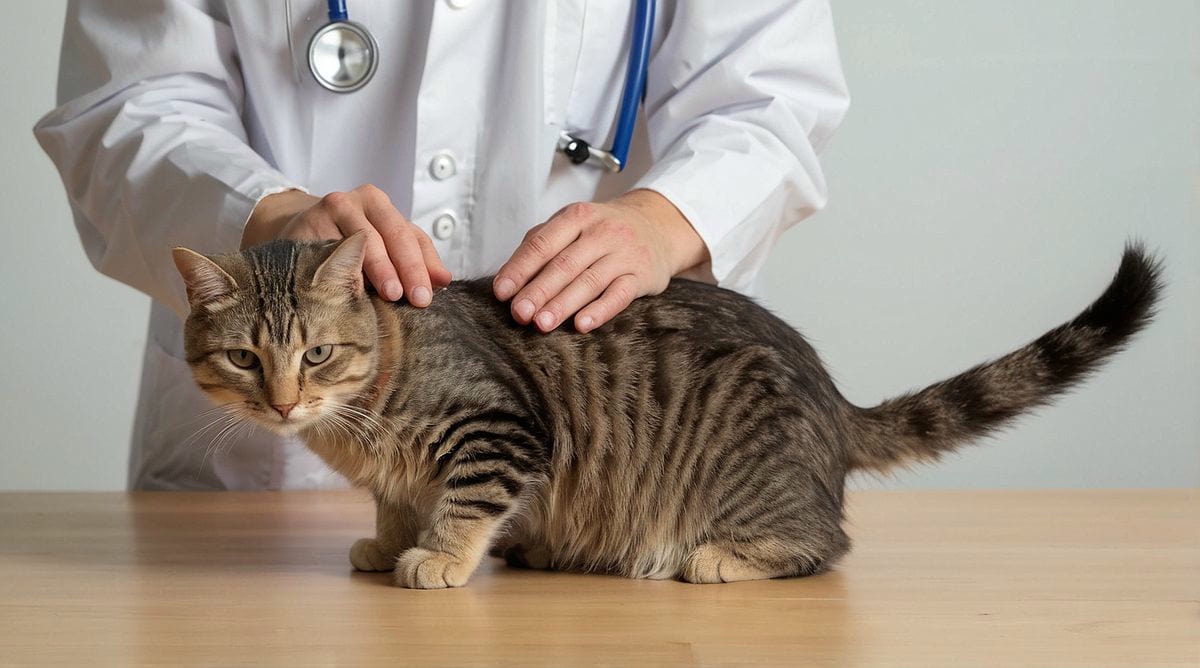
Feline Lower Urinary Tract Disease (FLUTD) refers to diseases of the lower urinary tract in cats. Essentially, these are inflammations of the bladder or ureters.
What Symptoms Does Your Cat Show with FLUTD?
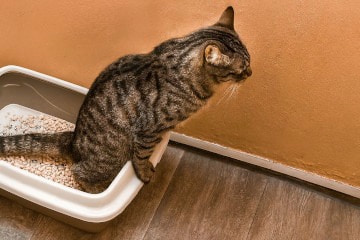
- a strained posture during urination
- meowing or crying out during urination
- urine dribbling
- frequent urge to urinate
- blood in the urine
- frequent licking of the urethral opening
- urethral obstruction, preventing any further urination
As soon as you notice these symptoms in your cat, contact your veterinarian immediately! It is crucial in any case to clarify the cause of the discomfort and to treat it specifically. Timely treatment is important to prevent serious complications.
What are the Known Causes of FLUTD?
There are various reasons why bladder disease can occur. These include, for example, urinary stones and bacterial infections. In most cases, however, the reason for the bladder inflammation is not found. The veterinarian then refers to it as 'idiopathic' cystitis.
In contrast, several risk factors are known to promote the occurrence of lower urinary tract problems. These include:
- Excessive mineral content in the food
- Insufficient water intake
- Stress
- Obesity
- Lack of exercise
What Can You Do to Help Your Cat with FLUTD?
After treatment by the veterinarian, it is important that you take some measures to prevent the recurrence of urinary tract problems in the long term:
- Exclusively feed a diet that prevents the formation of urinary stones. If stones have been detected in your cat, it is important that the food works against the specific type of urinary stones that occurred in your pet.
- Provide a stress-free environment and feed special food that contains stress-reducing ingredients.
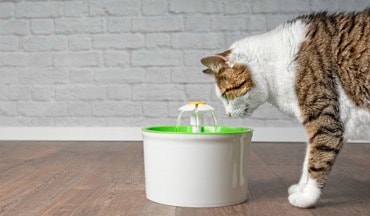
- Make sure your pet always has fresh water available and drinks enough! (Also read: Does my cat drink enough?)
- If possible, feed wet food or moisten dry food.
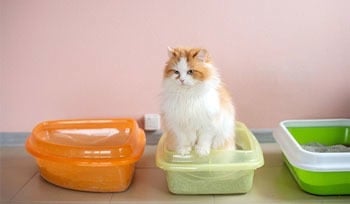
- Provide your cat with several litter boxes and keep them clean.
- Reduce obesity and ensure sufficient exercise.
- Have your cat's urine regularly examined by a veterinarian to check if your preventive measures are successful.

Set ipet.ch as a preferred source on Google
Never miss a tip: Set ipet.ch as a preferred source in your Google account so that our veterinary advice and pet care guides appear higher up in your search results. Optional and can be undone at any time.
Set as preferred source →Useful information at a glance
What is FLUTD in cats?
FLUTD stands for Feline Lower Urinary Tract Disease and encompasses diseases of the lower urinary tract in cats, such as inflammations of the bladder or ureters.
What symptoms does a cat with FLUTD show?
Symptoms of FLUTD can include a strained posture during urination, meowing or crying out during urination, urine dribbling, frequent urge to urinate, blood in the urine, frequent licking of the urethral opening, and a urethral obstruction. If you notice these signs, you should contact your veterinarian immediately.
What causes of FLUTD are known?
Causes of FLUTD can include urinary stones, bacterial infections, or idiopathic cystitis, where the cause remains unknown. Risk factors include an excessively high mineral content in the food, insufficient water intake, stress, obesity, and lack of exercise.
How can I help my cat with FLUTD?
After veterinary treatment, you can prevent the recurrence of urinary tract problems through various measures: Feed a special diet, ensure a stress-free environment, provide fresh water, feed wet food or moisten dry food, provide several clean litter boxes, reduce obesity, and ensure sufficient exercise. Have your cat's urine regularly examined by a veterinarian.
Why is timely treatment of FLUTD important?
Timely treatment of FLUTD is important to prevent serious complications. As soon as you notice symptoms in your cat, you should immediately contact your veterinarian to clarify the cause and treat it specifically.