
 EN
EN  DE
DE  FR
FR Overweight in Dogs and Cats: It's Worth Taking Action!
-
 By
Dr. med. vet. Sabina Büttner
By
Dr. med. vet. Sabina Büttner - Aug 19, 2019
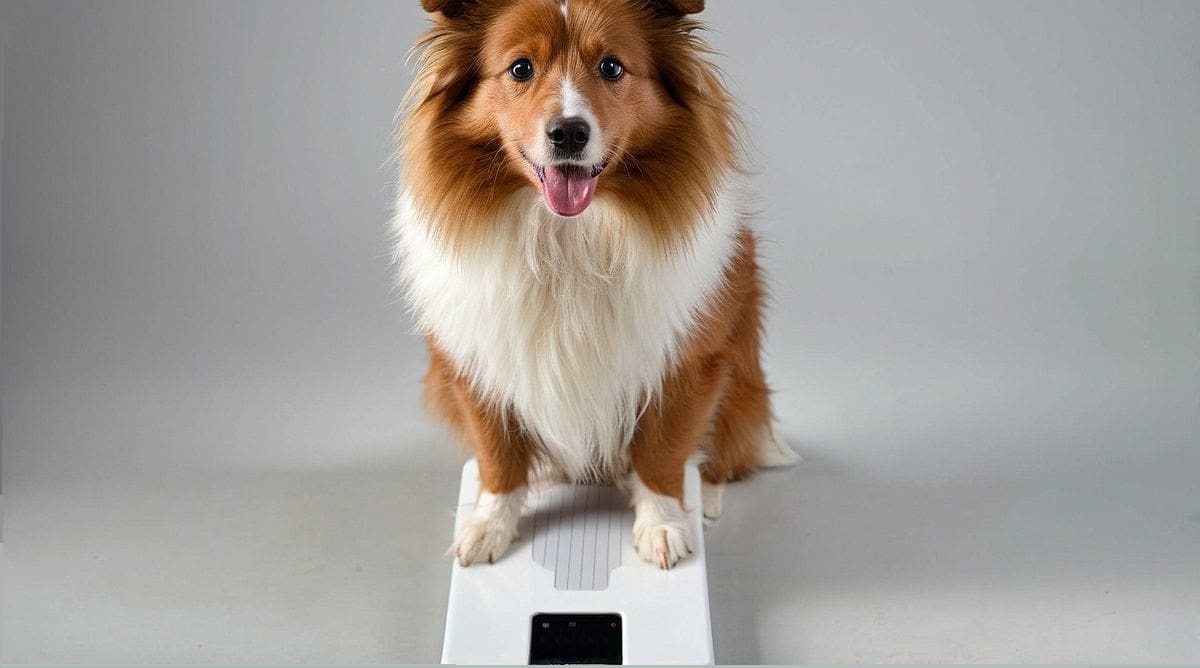
A few treats here, an extra portion of food there – we mean well for our animal companions. But the reality in veterinary clinics paints a different picture: calorie oversupply is now the most common nutritional mistake in dogs and cats.
What is often dismissed as a "cozy cushion" is, on closer inspection, a serious health risk. Overweight is not a visual flaw, but a chronic burden on the entire organism.
The underestimated danger: When excess weight makes them sick
Too much body fat produces messenger substances that promote inflammatory processes in the body. The list of secondary diseases is long and massively impairs the quality of life:
- Cardiovascular system: The heart has to work harder to supply the extra body mass.
- Respiration: Fat accumulation in the chest cavity and neck makes breathing difficult.
- Metabolism: Particularly in cats, the risk of diabetes mellitus increases rapidly.
- Musculoskeletal system: Joints, ligaments, and tendons wear out prematurely (osteoarthritis).
- Organs & Immune system: Increased risk of tumors, urinary tract diseases, and skin problems.
Fact is: Overweight weakens the immune system and can shorten the life expectancy of our pets by several years.
Three pillars for the ideal weight
For your pet to stay or become fit again, you should adjust three central factors:
1. Activity as bonding training
Exercise not only burns calories, it also makes them happy.
- Dogs: Vary your walks. Tracking games or small retrieving sessions challenge body and mind.
- Cats: Use their hunting instinct. Fishing rod toys, laser pointers (with a final "prey" reward), or intelligence toys bring movement into the everyday life of indoor cats.
2. Nutrition: Individualized instead of "according to package instructions"
The feeding recommendations on the packaging are merely rough guidelines. The actual need depends heavily on age, neuter status, and individual metabolism.
Tip: Use our iPet food calculator. By entering the analytical constituents (moisture, crude protein, crude fat, crude fiber, and crude ash), you get a precise guideline tailored to your pet's activity level.
If your pet is a "good food converter" (gains weight easily), a special light food is recommended. This is characterized by a reduced fat content and a higher proportion of crude fibers (roughage). This ensures that the bowl stays full and a feeling of satiety sets in without blowing the calorie budget.
3. Monitoring: The scale doesn't lie
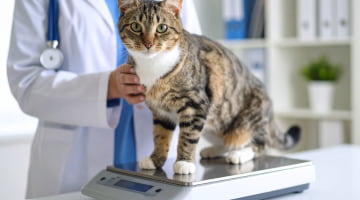
Weight gain often creeps up unnoticed. Weigh your pet once a month. For small dogs or cats, a kitchen scale or weighing together on a personal scale (difference method) is often sufficient. This allows you to correct the food amount immediately, before 200 excess grams turn into a kilo.
What to do if the excess weight is already there?
If your pet is already significantly overweight, patience is required.
A radical diet ("eat half") is dangerous, as it can lead to a nutrient deficiency – especially in cats, too rapid weight loss threatens to cause severe liver damage!
The path to the goal:
- Professional plan: Consult a veterinarian or use our weight reduction program. This allows you to quickly and easily create an individualized weight loss plan for your pet.
- Special diets: Medical weight-loss foods are designed so that despite the calorie reduction, all vitamins and minerals are provided to the pet in sufficient quantities. With our reduction program, you can choose a weight-loss diet and simultaneously calculate the food amount for your pet.
- Success monitoring: Create a weight curve. This not only motivates you, but also ensures that your pet loses weight at a healthy pace. Our reduction program creates an optimal weight curve for your pet, with which you can compare your pet's weight progress at any time.
Conclusion: A healthy weight is the greatest gift you can give your pet for a long, active life. It's worth starting today!

Set ipet.ch as a preferred source on Google
Never miss a tip: Set ipet.ch as a preferred source in your Google account so that our veterinary advice and pet care guides appear higher up in your search results. Optional and can be undone at any time.
Set as preferred source →Useful information at a glance
Why is overweight a problem for dogs and cats?
Overweight in dogs and cats is not just a cosmetic issue; it can severely impair the animals' health. It increases the risk for cardiovascular diseases, respiratory system diseases, diabetes, tumors, urinary tract diseases, joint diseases, and skin diseases. Additionally, overweight can weaken the immune system and shorten life expectancy.
How can I maintain my pet's ideal weight?
To maintain your pet's ideal weight, you should ensure sufficient exercise, a healthy and balanced diet, and regular weight checks. Use the iPet food calculator to determine your pet's energy requirements based on weight and activity, and adjust the amount of food accordingly.
What can I do if my pet is already overweight?
If your pet is already overweight, weight loss should be slow and healthy. Do not just reduce the amount of food; instead, use diets formulated according to the latest scientific findings. Have a veterinarian create a precise diet plan for you, or use our weight reduction program on ipet.ch to create an individual plan.
How often should I check my pet's weight?
It is advisable to check your pet's weight regularly to detect changes early. This way, you can adjust the amount of food or the food product if necessary and ensure that your pet maintains or reaches its ideal weight.
How can I determine my pet's energy requirements?
Your pet's energy requirements can be determined using the iPet food calculator. Enter your pet's weight and activity, and input the analytical constituents listed on the food packaging. This will give you a guideline for the daily amount of food. Please note that the actual requirements may vary depending on your pet's food utilization.