
 EN
EN  DE
DE  FR
FR How Senior Dogs and Cats Stay Fit Through Winter
-
 By
Dr. med. vet. Sabina Büttner
By
Dr. med. vet. Sabina Büttner - Jan 13, 2021
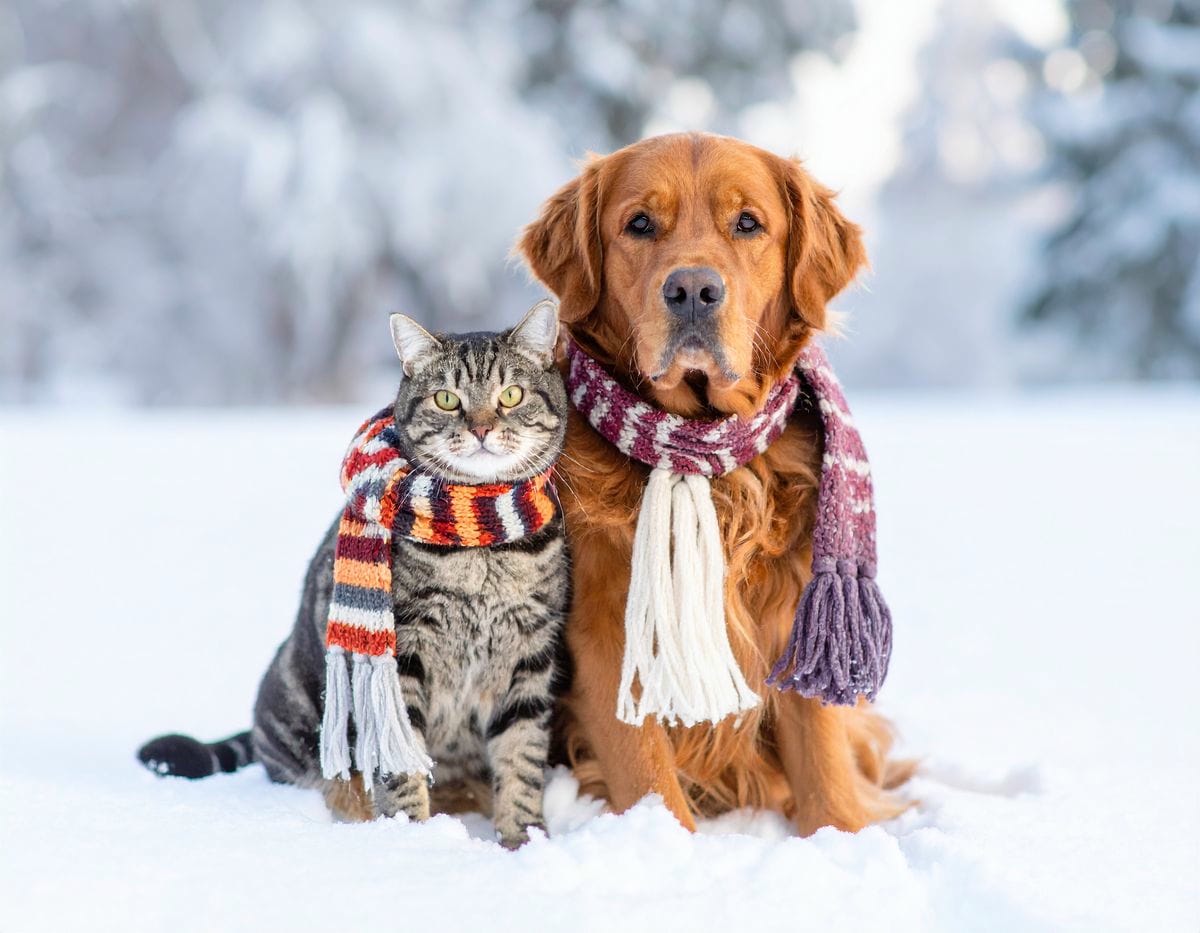
The wet and cold season often takes its toll on our older four-legged friends. Joints are stiff and movements are even more difficult than usual. Here are some suggestions on how we can support our seniors now.
Keeping Warm
In the cold, muscles tense up, which can lead to increased stiffness and pain in musculoskeletal disorders. Therefore, make sure your pet doesn't get cold. A senior cat that is allowed outdoors should always have access to a heated indoor area. In a bed that can be hung on a radiator, it will quickly warm up again after outdoor excursions.
Old dogs often move slowly on walks and stop for longer to sniff. Therefore, especially if they are short-haired, they should wear a warming coat during the winter months. The coat should fit as well as possible and should therefore preferably be tried on in a specialist shop before being purchased.
In the car, a cushion or a blanket should provide sufficient warmth. Easily cleanable mats or dirt traps are particularly suitable here, as they already dry the dog a little before it arrives home. Once home, it should definitely be thoroughly dried, and long-haired dogs might even be blow-dried a little.
A warm, well-cushioned sleeping place protects the joints. Orthopaedic dog beds are particularly suitable, as they adapt optimally to the weight and thus relieve pressure.
Additional warmth after outdoor excursions can be provided by a heating blanket or a heating pad.
Exercise Routines
When it's frosty cold outside and perhaps an icy wind is blowing, many old cats prefer not to leave the house at all, and old dogs often want to go back home after just a few steps.
Since the saying 'use it or lose it' also applies to animals, we can specifically compensate for their lack of movement with short training sessions.
Twist
The Twist stretches the back muscles and trains the balance and coordination of the entire body.
Here's how: Stand in front of the dog or cat and hold a treat in front of its nose. Guide the treat in a large horizontal circle so that the animal turns around its own axis. The movement should be slow and steady. After each turn, there's a reward. Initially, perform the Twist 2-3 times in both directions.
Give Paw
Giving paw trains the mobility and musculature of the front legs as well as the upper back muscles.
Here's how: Your pet should alternately give both front paws or lift them up. For cats, a cat wand, for example, can be used to encourage this movement. Vary the height, all the way to a high five! Initially, repeat the exercise 2-3 times per front leg.
Stand - Sit
This exercise trains the mobility and musculature of the hind legs as well as the lower back muscles. It should only be performed on a non-slip surface.
Here's how: The animal stands in front of you and sits on command, then stands up again on command. If the cat (or dog) doesn't yet know these commands, hold your hand with a treat for the 'sit' command over the animal's head and pull your hand forward a little for the 'stand' command. If it doesn't work perfectly at first, be patient. The exercise is more difficult and strenuous than it looks. Initially, repeat the exercise 2-3 times.
Cavaletti over the Legs
Cavaletti training is a very effective exercise. Your pet must deliberately lift its feet, thus training its coordination and balance. Sit on the floor with your legs stretched out and apart (forming a V). Now slowly guide your dog or cat back and forth over your legs. Start with two to three repetitions.
Food Supplements for Seniors
The demands on feeding change with increasing age (also read our guide article: The Feeding of Older Cats and Dogs). Ailments such as arthrosis and joint problems, kidney problems, or dementia sometimes make it necessary to supplement the food with suitable products. Especially during the cold season, it can also be beneficial to specifically support the immune system of our older four-legged friends. Use our filter queries in the iPet shop to find suitable food or ask us veterinarians if we have a suitable food supplement in our range for your pet.

Set ipet.ch as a preferred source on Google
Never miss a tip: Set ipet.ch as a preferred source in your Google account so that our veterinary advice and pet care guides appear higher up in your search results. Optional and can be undone at any time.
Set as preferred source →Useful information at a glance
How can I keep my dog or cat warm in winter?
It is important that your pet does not get cold during the chilly season. Ensure your senior cat always has access to a heated indoor area. For dogs, a warming coat is recommended, especially if they are short-haired. In the car, a blanket or cushion can provide additional warmth. At home, your pet should be thoroughly dried, and a warm, well-cushioned sleeping place is ideal.
What exercise routines are suitable for senior dogs and cats in winter?
Short training sessions like the 'twist', 'give paw', 'stand-sit', and Cavaletti exercises over the legs are ideal for promoting mobility and musculature. These exercises help train balance and coordination and should be performed on a non-slip surface.
How can I adjust my senior pet's feeding in winter?
As pets age, their dietary needs change. It can be beneficial to supplement their food with suitable products to support ailments such as osteoarthritis or kidney problems. In the iPet shop, you can use our filter queries to search for suitable food or ask our veterinarians about appropriate food supplement.
What can I do if my senior pet is less active in winter?
If your pet is less active in winter, you can compensate for the lack of movement with targeted exercises like the 'twist' or 'give paw'. These exercises promote musculature and mobility and can also be performed indoors.
What additional heat sources are suitable for senior pets in winter?
Additional heat sources such as a heating blanket, a heating pad, or a warming toy can provide cozy warmth after outdoor excursions. A warm, well-cushioned sleeping place, such as an orthopedic dog bed, is also highly recommended.