

 EN
 DE
 FR
Diet Food for Cats
When your cat is unwell, the right food can make a huge difference. Veterinary diet food is made specifically for this purpose: it is a specialised medical food designed to provide targeted support for diagnosed health conditions. One thing is always essential: the basis for any diet food is a confirmed diagnosis from your vet. Only your vet can assess what kind of support your feline companion truly needs.
In our range, you will find the right food clearly sorted by area of application and brand. If you are unsure which product is right for your cat, our experienced team will be happy to advise you free of charge.
Filters
-
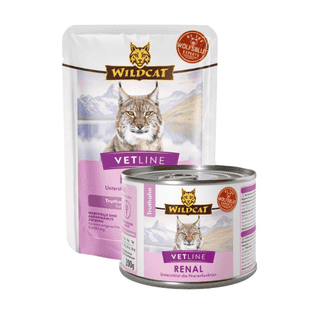
- New
from CHF 41.20
WILDCAT VetLineComplete and balanced food for adult cats with chronic renal insufficiency, as well as to reduce the formation of oxalate and urate stones, with turkey
-
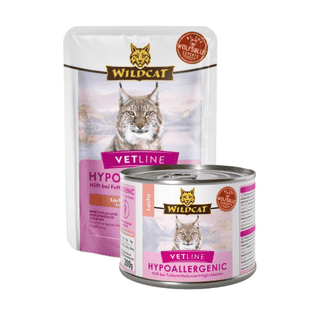
- New
from CHF 41.20
WILDCAT VetLineComplete and balanced food for adult cats with food intolerances, as well as those with skin problems and excessive hair loss
-
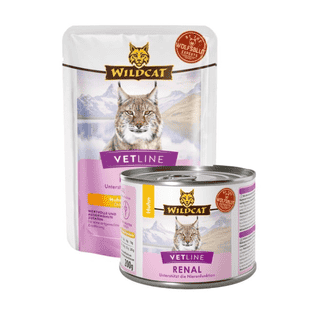
- New
from CHF 41.20
WILDCAT VetLineComplete and balanced food for adult cats with chronic renal insufficiency, as well as to reduce the formation of oxalate and urate stones
-
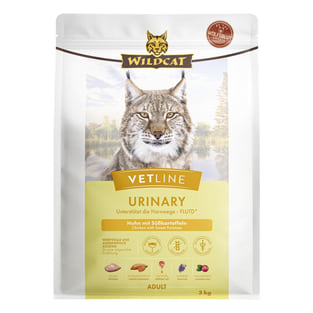
- New
from CHF 41.10
WILDCAT VetLineComplete and balanced food for adult cats with lower urinary tract disease (FLUTD – Feline Lower Urinary Tract Disease) -
- New
from CHF 41.10
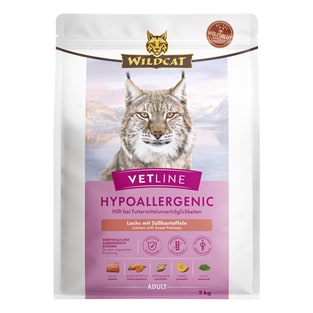
WILDCAT VetLineComplete and balanced food for adult cats with food intolerances and specific nutritional needs for skin and coat health -
from CHF 57.60
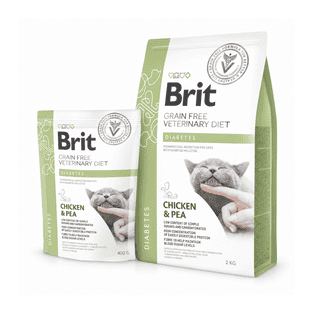
Brit Vet DietDietary complete dry food specifically for cats with diabetes mellitus
-
from CHF 57.60
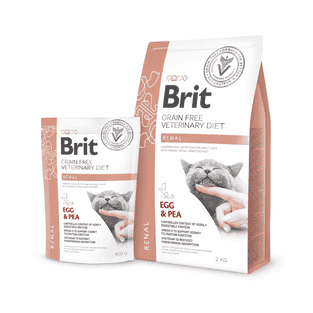
Brit Vet DietDietary complete dry food for cats to dissolve struvite stones
-
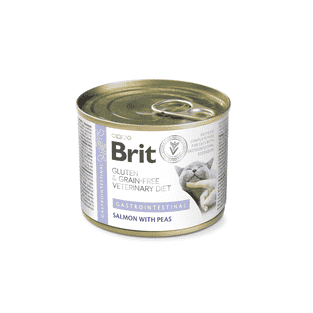 CHF 42.90Brit Vet Diet
Dietary complete food for cats, specifically formulated to support cats with acute intestinal malabsorption disorders
-

from CHF 45.40
MAC's VetcareDietary food to support the urinary tract for cats


The right cat food for every health concern
The term “diet food” can be somewhat misleading, as it is not always just about losing weight – even though excess weight is a common reason. Every recipe is tailored precisely to a specific medical condition in order to relieve your cat’s body and alleviate symptoms. A distinction is made between complete feeds, which replace a full meal, and complementary feeds, which you give in addition.
Here you will find an overview of the most common areas of application.
Kidney disease in cats
When your cat’s kidneys are no longer working properly, they are less able to filter waste products from the blood. Special renal food relieves the organs through a carefully reduced content of high-quality protein and phosphorus. This helps slow the progression of the disease and improve your cat’s quality of life.
Urinary tract diseases and urinary stones in cats
Urinary stones can be extremely painful for cats and even lead to life-threatening blockages. So-called urinary food is formulated to optimise the pH value of the urine. This inhibits the formation of new crystals and can even help dissolve existing struvite stones.
Gastrointestinal problems & bland diet for cats
In cases of diarrhoea, vomiting or other digestive complaints, the gastrointestinal tract needs a break. A bland diet, also called gastrointestinal food, consists of particularly easy-to-digest ingredients with an adapted fat content. It soothes the digestive system while ensuring that your cat still absorbs all essential nutrients.
Food intolerances in cats
Itching, skin inflammations or digestive problems may indicate a food intolerance in your cat. Hypoallergenic food solves this problem in two ways: either it contains extensively broken-down (hydrolysed) proteins that the immune system no longer recognises as allergens, or it uses novel protein sources that your cat has most likely never been exposed to before.
Diabetes in cats
With diabetes, your cat’s blood sugar level is chronically elevated. Special diet food for diabetic cats is characterised by low carbohydrates and high protein. This combination helps prevent sharp fluctuations in blood sugar after meals and keeps blood glucose levels stable.
Other areas of application for cat diet food
Of course, there are many other health issues where adapted nutrition sensibly complements veterinary treatment. These include liver and heart diseases, pancreatitis, joint complaints such as osteoarthritis, as well as support for stress and recovery after surgery.
Special case overweight: how to help your cat lose weight
Even a few extra grams can have serious consequences for your cat and promote illnesses such as diabetes or joint problems. The causes of overweight in cats are varied: reduced activity after neutering, lack of exercise or simply too many calories. Treats are often misunderstood as a sign of affection and quickly lead to overfeeding.
Slow, controlled weight loss under veterinary supervision is crucial so as not to overload the metabolism – overly rapid weight loss can trigger dangerous hepatic lipidosis (fatty liver disease) in cats. Your vet sets a realistic target weight, and with our weight reduction programme you can calculate the exact daily feeding amount in just a few clicks. Special weight-reduction diets have fewer calories, yet still keep your cat full for a long time thanks to a high fibre and protein content.
Wet food or dry food: what is the right choice?
The best diet food is useless if your cat turns up its nose at it. Acceptance by your cat is key. Whether you opt for wet or dry food therefore depends heavily on your pet’s preferences and the specific illness.
Wet food has the major advantage of increasing fluid intake – especially important for urinary tract and kidney diseases. Dry food, on the other hand, can help care for teeth through mechanical abrasion and works great in puzzle feeders. Fortunately, most manufacturers offer their veterinary diet lines in both varieties. Mixed feeding is often the ideal solution to combine the benefits of both food types.
Changing food: how to win over your fussy cat
Cats are creatures of habit and are often sceptical about new food. A sudden change of food quickly leads to food refusal. With a little patience and a gentle transition, however, the switch almost always succeeds.
- Step 1: Mix slowly. Over seven to ten days, mix an increasingly larger proportion of the new diet food into your cat’s usual food. Start with one quarter and gradually increase the amount until the old food has been completely replaced.
- Step 2: Stay patient. Some cats simply need a little longer to get used to the new taste. Stay consistent and do not give up too quickly – it pays off for your pet’s health.
- Step 3: Adjust treats. Rewards between meals must also match the diet. Switch to special veterinary diet snacks or simply use a few kibbles of the new dry food as treats.
Our brands for veterinary diets
So that you can find the right food for your cat for every diagnosis, we have put together the most trusted brands for you. In our online shop, you will discover specialised diets from Royal Canin Veterinary Diet, Hill’s Prescription Diet, Purina Pro Plan Veterinary Diets and Kattovit Feline Diet. Our range is complemented by other experts such as Virbac, SPECIFIC and Animonda Integra Protect, which are likewise renowned for their high-quality and effective recipes.
FAQ — Diet Food for Cats
-
-
The term “diet food” (legally: dietetic feed) is protected by law. Legislation stipulates that such a feed must serve a “particular nutritional purpose”. This means a manufacturer may only use this term if the specific composition of the food is scientifically proven to help with a particular medical condition. It is therefore genuine specialised medical food that provides targeted support for your cat’s veterinary treatment in the event of a diagnosed illness.
-
Vets recommend a food tailored precisely to your cat’s individual diagnosis, age and overall health status. There is no universal “best” food; the recommendation is always case-specific.
-
The best diet food is always the one your vet recommends for your cat’s specific condition after a thorough examination. The right choice depends on the diagnosis, not on a particular brand.
-
The feeding duration depends on the condition. For acute problems such as gastrointestinal upsets, a short period may be sufficient, whereas chronic conditions such as renal insufficiency or diabetes often require lifelong feeding.
-
A formal prescription is not strictly required, but feeding should take place exclusively following a veterinary diagnosis and recommendation. Never feed a veterinary diet on your own initiative.
-
No, healthy cats should not eat diet food. Its special nutrient composition is designed for a sick organism and can lead to nutrient deficiencies or oversupply in healthy pets over the long term.
-
Slowly mix increasing amounts of the new food into your cat’s familiar food over one to two weeks. This allows your cat to gradually get used to the new taste and smell. Gently warming wet food can also increase acceptance.
-
Your vet determines the exact feeding amount, or you can easily calculate it yourself using our weight reduction programme. It is based on your cat’s current weight, target weight and the exact calorie content of the diet food used. Stick strictly to this guideline.
-
For gastrointestinal issues, an especially easy-to-digest bland diet – also called gastrointestinal food – is suitable. These feeds contain highly digestible ingredients to soothe the digestive tract and ensure proper nutrient absorption.
-
Cats with diabetes are given a special diet food with a high protein content and a very low proportion of carbohydrates. This composition helps keep blood sugar levels stable after meals.
-
Both types of food have pros and cons that need to be weighed up depending on the illness. Ultimately, the best choice depends on the diagnosis and your cat’s preferences; often, a combination of both food types is ideal.
-