
 EN
EN  DE
DE  FR
FR My Cat Suffers from Constipation - What Can I Do?
-
 By
Dr. med. vet. Sabina Büttner
By
Dr. med. vet. Sabina Büttner - Feb 14, 2019
Especially older cats quite frequently suffer from constipation. We'll give you some tips on how you can help your cat pass stool without problems.
How to tell if a cat is suffering from constipation?
A cat normally passes stool once a day. Constipation is when the cat passes stool significantly less frequently, and it accumulates and thickens in the intestine. Cats suffering from constipation often only manage to pass a few very hard and dry stool pellets with great effort.
For free-roaming cats, these symptoms are often not noticed, and only when further symptoms appear during the course of constipation do owners realize that something is wrong.
Signs of prolonged constipation can include:
- Vomiting
- Abdominal pain
- Loss of appetite, possibly weight loss
- Unsuccessful attempts to pass stool
- Inappropriate elimination
- Fatigue / Lethargy
Caution: Sometimes it's difficult to distinguish whether the cat is unsuccessfully trying to pass stool or urine (e.g., due to urethral obstruction by urinary stones).
What are possible causes of constipation?
The reasons for constipation are diverse. Both physical and psychological causes can lead to reduced or difficult defecation.
Often, overweight and lack of exercise are responsible for reduced intestinal peristalsis, causing intestinal contents to move slowly. If such cats eat little wet food and drink little water, constipation can easily occur.
Stress and discomfort can also lead to a cat no longer passing stool. Changed living circumstances, such as a move or a new family member, but also a stay in an animal shelter or an unfavorable location of the litter box can thus be triggers for constipation.
Especially in older cats, pain during defecation can also be a cause of constipation. Arthritis in the pelvic area or hind legs can cause the cat pain when trying to assume the typical body position for defecation.
In addition, there are a number of other possible causes for constipation: enlargements of the large intestine (megacolon), medications, foreign bodies, or narrowing of the intestine are just a few of them.
What to do if your cat is constipated?
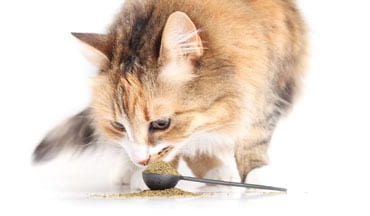
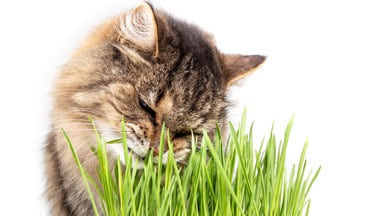
The sooner constipation can be treated and resolved, the better. If you notice that your cat occasionally has difficulty passing stool and is otherwise well, you should ensure she drinks enough water and, if possible, feed more wet food. Additionally, increasing the Crude fiber content in the food can increase intestinal motility and soften the stool. Special food with a high Crude fiber content or food supplements like powdered cellulose, mixed into the food in small amounts, are suitable for this. An overdose of Crude fiber must be avoided, as this can lead to diarrhea on one hand and worsen constipation on the other. Malt pastes can also help facilitate defecation.
If, despite these measures, problems with defecation recur or your cat shows any of the symptoms listed above, the cat must be thoroughly examined by a veterinarian. Depending on the cause and severity of the constipation, different treatments are necessary.
Mild constipation can be resolved with enemas. A food with a high fiber content and the temporary administration of mildly laxative food supplements prevent a relapse. The veterinarian can also medically stimulate intestinal peristalsis. If painful arthritis is the trigger for constipation, the veterinarian can prescribe medication for this pain.
In advanced cases, it is necessary to manually remove the stool under anesthesia. If irreparable damage to the intestinal wall has already occurred or the cat suffers from megacolon, a part of the affected intestinal section often has to be surgically removed.
How can constipation in cats be prevented?
If your cat is prone to constipation, in addition to administering suitable diet food, you can also take further preventive measures:
- Ensure your cat drinks enough (Also read: Does my cat drink enough?)
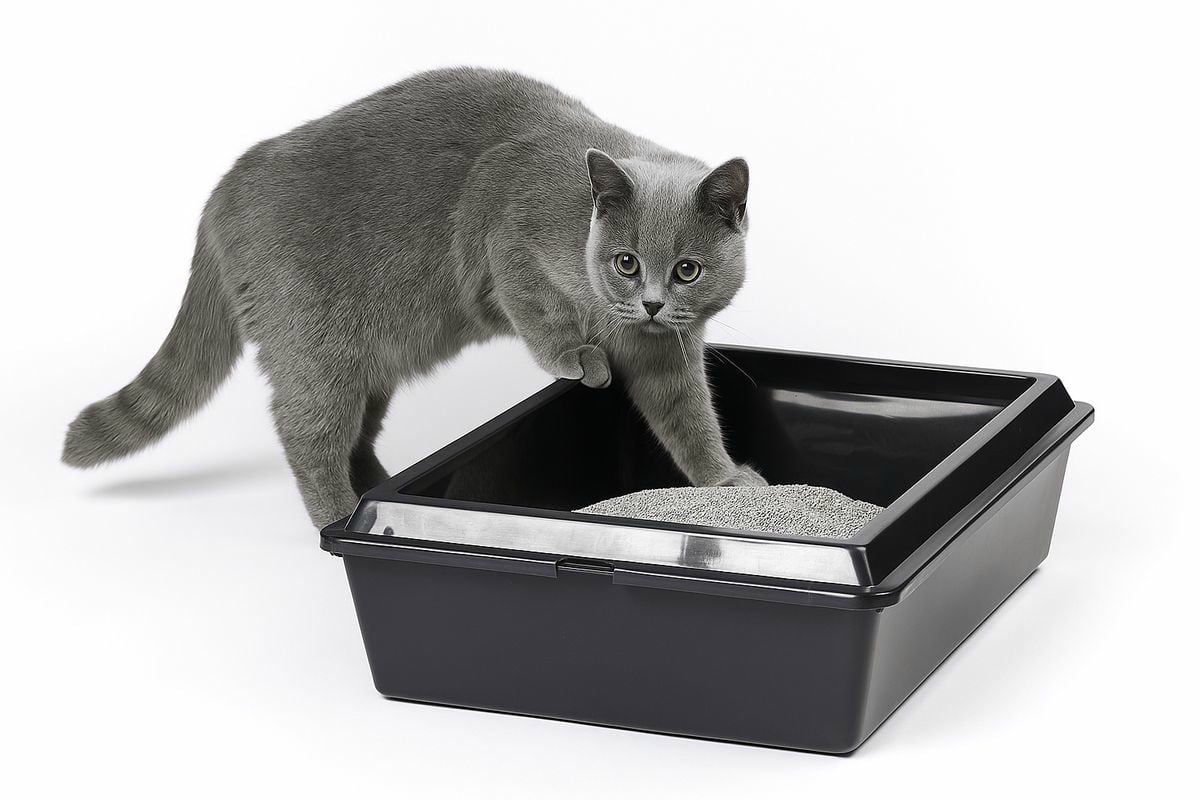
- Ensure the litter box is in a quiet place and always clean.
- If your cat is overweight, she should lose weight. Many foods with a high Crude fiber content are also well-suited for weight reduction (Also read: Overweight in dogs and cats: it's worth doing something about it)
- If stress could be a trigger, provide a relaxed environment for your cat and support her with natural stress-reducing products.

Set ipet.ch as a preferred source on Google
Never miss a tip: Set ipet.ch as a preferred source in your Google account so that our veterinary advice and pet care guides appear higher up in your search results. Optional and can be undone at any time.
Set as preferred source →Useful information at a glance
How do I recognize if my cat is suffering from constipation?
A cat normally passes stool once a day. Constipation is when the cat passes stool significantly less frequently, and it accumulates and thickens in the intestines. Signs of prolonged constipation can include vomiting, abdominal pain, loss of appetite, weight loss, unsuccessful attempts to pass stool, inappropriate elimination, and fatigue or lethargy.
What are possible causes of constipation in cats?
The causes of constipation in cats are diverse. Obesity and lack of exercise are often responsible, but stress, changed living conditions, or pain during defecation, such as from arthritis, can also trigger constipation. Other possible causes include colon enlargements, medications, foreign bodies, or intestinal strictures.
What can I do if my cat is constipated?
Ensure your cat drinks enough water and receives more wet food. An increase in the crude fiber content in the food can also help. For persistent problems or further symptoms, the cat should be examined by a veterinarian. Depending on the cause, different treatments are necessary, from enemas to medicinal support for intestinal peristalsis.
How can I prevent constipation in my cat?
Ensure your cat drinks enough and that the litter box is in a quiet, clean place. If your cat is overweight, it should lose weight. A stress-free environment can also help prevent constipation. Suitable veterinary diet food with a high crude fiber content can be supportive.
When should I take my cat to the vet?
If your cat repeatedly has problems passing stool despite measures, or shows any symptoms such as vomiting, abdominal pain, or loss of appetite, it should definitely be examined by a veterinarian. The earlier constipation is treated, the better.