

 EN
EN  DE
DE  FR
FR The Right Bland Diet for Your Cat with Gastrointestinal Problems
If your cat is struggling with abdominal pain, diarrhea, or vomiting, you want to help them quickly and gently. Here you will find exactly the right bland diet to soothe the irritated gastrointestinal tract and accompany your cat on the road to recovery. Our range is based on veterinary experience and helps your furry friend get back on their paws quickly.
Filters
-
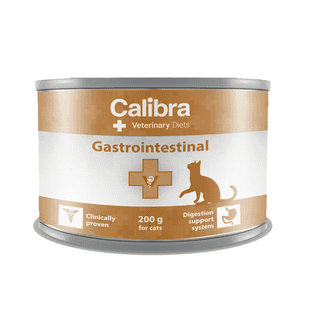 CHF 21.90Calibra Veterinary Diets
For acute and chronic digestive disorders
-
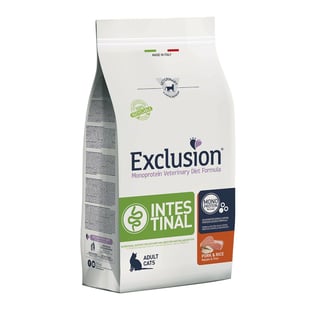
- - 10 %
CHF 22.25
CHF 24.70Exclusion DietComplete dietetic food with monoprotein formulation for cats to alleviate acute intestinal absorption disorders
-
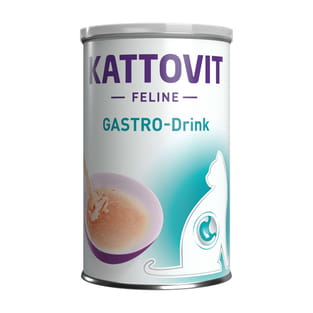 CHF 25.50Kattovit Feline Diet
Special food for cats with gastrointestinal disorders
-

from CHF 50.60
Kattovit Feline DietComplete food for cats, to compensate for digestive problems and support pancreatic insufficiency
-
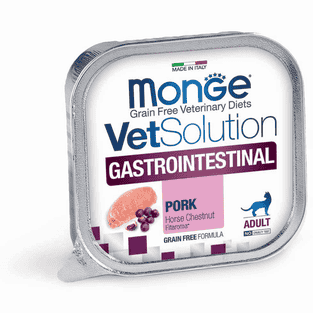 CHF 49.80Monge VetSolution
High-quality complete food for cats with diseases of the digestive tract
-
- New
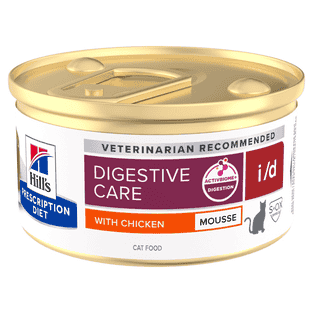
CHF 75.90Free shippingHill's Prescription DietAn easily digestible, dietary complete food for the relief of intestinal malabsorption, to compensate for inadequate digestion, and for exocrine pancreatic insufficiency in cats. This food has a higher sodium and potassium content.


Bland Diet for Cats: What a Bland Diet is and When it Helps
A bland diet is basically highly digestible, low-fat food that gives your cat's digestive system a much-needed rest. It is always used when digestion is out of balance – be it due to acute diarrhea, after vomiting, during the recovery phase after surgery, or in case of general loss of appetite. The goal is simple: to burden the gastrointestinal tract as little as possible so that it can regenerate and properly absorb nutrients again.
What to feed a cat with diarrhea and vomiting?
Fast relief for acute symptoms
If your cat has vomited, give their stomach a rest. Offer them only fresh water for a few hours. In the case of pure diarrhea, fasting is usually not necessary. Afterward, start with the bland diet in tiny but frequent portions – about a teaspoon every one to two hours. This way, you don't overwhelm the stomach but still slowly supply the body with energy again.
Cooking a bland diet for cats yourself: A simple basic recipe
You can quickly prepare an effective bland diet yourself. Since cats are strict carnivores, the base should always be lean protein.
Basic recipe: Boil chicken or turkey breast (without skin and bones) in plenty of water until the meat is cooked through. Do not use any salt or spices. Chop the meat and serve it lukewarm with a little of the cooking broth. The broth provides your cat with additional fluid, which is crucial, especially with diarrhea and vomiting, to prevent dehydration.
Unlike dogs, cats hardly need any carbohydrates. A tiny amount (maximum 10% of the portion) of well-cooked rice or pureed carrots can serve as a source of fiber and slightly firm up the stool, but it is not a must.
Suitable and unsuitable ingredients for a cat's bland diet at a glance
Suitable ingredients:
- Lean poultry (chicken, turkey), boiled and unseasoned
- Low-fat fish like cod or saithe, steamed
- Cottage cheese or low-fat quark in very small amounts (low lactose)
- The unseasoned cooking broth of the meat
Unsuitable ingredients:
- Any spices, especially salt, onions, and garlic
- Fatty meat or sausages
- Most dairy products (contain too much lactose)
- Raw meat (may contain bacteria that additionally burden the intestine)
- Food with artificial preservatives and colorings
Ready-made Bland Diets & Sensitive Cat Food: Making the Right Choice
Veterinary diets: When you need a quick solution
For acute gastrointestinal complaints, specially developed veterinary prescription diets or hypoallergenic cat food are often the best solution. Products with names like "Gastro Intestinal" or "i/d" contain highly digestible proteins, low fat, and often added electrolytes to compensate for losses caused by diarrhea or vomiting. These diets are intended for short-term use and should ideally be fed after consulting your veterinarian. Here you can find more about diet food for cats.
Sensitive and hypoallergenic food for cats
If your cat has a permanently sensitive stomach, "Sensitive" food is the right choice for their daily diet. It consists of particularly well-tolerated ingredients and avoids common allergy triggers like wheat. Hypoallergenic food goes one step further: It usually contains only a single, rare protein source (monoprotein) or broken-down (hydrolyzed) proteins that the immune system no longer recognizes as an allergen.
Proven brands for healthy digestion
Leading manufacturers such as Royal Canin, Hill's, and Purina offer specialized product lines for this purpose:
- Royal Canin: The "Veterinary Diet" line offers "Gastro Intestinal" for acute cases and "Sensitivity Control" for intolerances. "Sensible" or "Digestive Care" are suitable for everyday use.
- Hill’s: Under "Prescription Diet", you will find the diets "i/d" (Intestinal Diet) for digestive disorders and "d/d" for allergies. "Science Plan Sensitive" offers a well-tolerated alternative for every day.
- Purina: The "Pro Plan Veterinary Diets" series includes "EN Gastrointestinal", a special nutrition for acute phases. For permanently sensitive cats, there is "Pro Plan" or "ONE Sensitive".
Actively supporting the intestinal health of cats
Rebuilding the intestinal flora in cats with probiotics
Diarrhea and vomiting disrupt the sensitive intestinal flora – the community of beneficial bacteria in the gut. Probiotics are living microorganisms that help rebuild this beneficial team of bacteria. They crowd out pathogenic germs and get digestion back on track. Supplements such as Purina Pro Plan FortiFlora or Protexin Pro-Kolin are particularly useful after a gastrointestinal illness or during antibiotic therapy.
How long should a bland diet be fed?
A bland diet is a temporary measure. Feed it for about three to five days or until your cat's stool has normalized again. Afterward, slowly switch back to their usual food. Over several days, mix an increasingly larger proportion of the normal food into the bland diet so as not to immediately overwhelm the digestive system again.
When is it time to see the vet?
Many digestive problems are harmless, but you should consult a vet immediately if you notice these alarm signals:
- The diarrhea lasts longer than 24 to 48 hours.
- You discover blood in the stool or vomit.
- Your cat seems lethargic, weak, or has a fever.
- They completely refuse food and water.
- With very young kittens and older cats, you should generally act sooner, as they lose strength and dehydrate more quickly.
FAQ — Bland Diet for Cats
-
-
A bland diet is easily digestible, low-fat food intended to relieve the gastrointestinal tract during acute symptoms such as diarrhea or vomiting, so that your cat can recover safely.
-
As a rule, a bland diet is fed for 3 to 5 days until the symptoms have significantly improved. This is followed by a slow, gradual transition back to normal cat food.
-
Boiled, unseasoned chicken meat in small portions is ideal, as it is highly digestible. Alternatively, special veterinary diets like "Gastro Intestinal" are very effective and balanced.
-
Boil lean chicken or turkey meat without salt and spices in water. Serve the shredded meat with a little cooking broth in small portions at room temperature.
-
Initially, offer your cat only fresh water. After a pause of a few hours, you can start with a very small portion of a bland diet, for example, a teaspoon of boiled chicken.
-
Special "Sensitive" or "Hypoallergenic" foods are suitable for long-term feeding. These contain well-tolerated protein sources and are tailored to the needs of chronically sensitive cats.
-
Probiotic supplements like FortiFlora or Pro-Kolin contain beneficial intestinal bacteria. They help to rebuild the intestinal flora after a gastrointestinal disorder or antibiotic treatment.
-
You should see a vet if the diarrhea lasts longer than 24 hours, there is blood in the stool, the cat seems lethargic, or shows additional symptoms like fever or vomiting.
-
A bland diet is a short-term diet to provide relief during acute problems. Sensitive food, on the other hand, is a complete permanent diet for cats prone to chronic digestive problems.
-
Yes, probiotics are very useful for restoring a healthy intestinal flora. This is especially recommended after diarrhea, a diet change, or antibiotic treatment.
-
Yes, the principle of a bland diet is also suitable for them. However, with kittens and seniors with gastrointestinal problems, you should consult a vet sooner, as they are more susceptible to dehydration and circulatory problems.
-
Easily digestible, low-fat proteins such as boiled chicken or specially formulated gastrointestinal diets from the vet soothe an irritated stomach most effectively and quickly.
-


