EN
EN  DE
DE  FR
FR Healthy Digestion Thanks to Prebiotics and Probiotics
-
 By
Dr. med. vet. Sabina Büttner
By
Dr. med. vet. Sabina Büttner - Sep 5, 2018
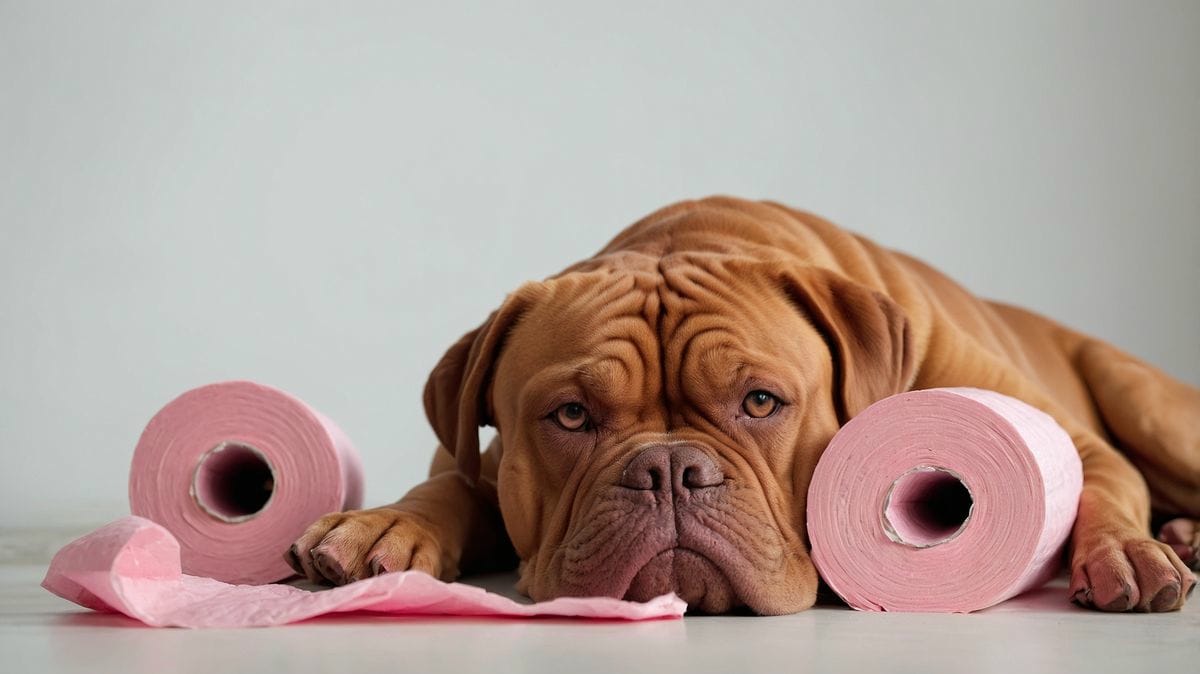
Digestive disorders are among the most common ailments in dogs and cats. They can have a wide variety of causes and forms. The right feeding can make an important contribution to the treatment and prevention of digestive disorders. Prebiotics and probiotics, in particular, play a crucial role here.
What exactly are "digestive disorders"?
All complaints that prevent normal digestion or alter the path of food through the digestive tract are referred to as digestive disorders.
Signs of digestive disorders in dogs and cats include, for example:
- Vomiting
- Diarrhea or soft stools
- Weight loss
- Altered appetite
- Flatulence
- Stomach noises
- Constipation
How can probiotics and prebiotics help with digestive disorders?
The gut flora is an ecosystem made up of a multitude of living bacteria, single-celled organisms, viruses, and fungi that colonize the intestines of dogs and cats. These microorganisms have various important tasks: for example, they produce vital vitamins, support digestion, stimulate intestinal peristalsis (muscle activity), and have a direct influence on the cells of the gastrointestinal tract and the immune system. Recent studies also show that the composition of the gut flora can influence body weight, susceptibility to disease, and even mental well-being.
Probiotics are living bacteria (e.g., lactobacilli or bifidobacteria) that are ingested with food and survive passage through the stomach and small intestine in sufficient numbers. Once in the large intestine, they help to displace harmful intestinal bacteria and thereby promote beneficial bacteria. They thus contribute to healthy gut flora and strengthen the immune defenses. Since probiotics do not permanently colonize the intestine, they must be taken regularly to enable a long-term effect.
Prebiotics (Dietary fibres) are specific indigestible Dietary fibres that are fermented by intestinal bacteria in the large intestine. This promotes the growth of beneficial intestinal bacteria.
Prebiotic fibres can be found, for example, in beet pulp, linseed, psyllium, or in barley and oats. They also have a positive effect on stool consistency and can prevent both diarrhea and constipation.
Dogs and cats with severe and acute digestive disorders must be examined and treated by a veterinarian. Specially developed food and food supplements to promote healthy digestion are an important step towards recovery!

Set ipet.ch as a preferred source on Google
Never miss a tip: Set ipet.ch as a preferred source in your Google account so that our veterinary advice and pet care guides appear higher up in your search results. Optional and can be undone at any time.
Set as preferred source →Useful information at a glance
What are digestive disorders in dogs and cats?
Digestive disorders are conditions that prevent normal digestion or alter the passage of food through the digestive tract. Signs of digestive disorders can include vomiting, diarrhea, weight loss, altered appetite, flatulence, stomach noises, and constipation.
How can probiotics help with digestive disorders?
Probiotics are live bacteria consumed through food. They help to displace harmful intestinal bacteria and promote beneficial bacteria, contributing to a healthy gut flora and strengthening the immune system. Since they do not permanently colonize the intestines, they must be taken regularly.
What role do prebiotics play in digestion?
Prebiotics are indigestible dietary fibers that are fermented by intestinal bacteria in the large intestine. They promote the growth of beneficial intestinal bacteria and positively influence stool consistency by preventing both diarrhea and constipation.
When should I take my pet to the veterinarian?
Dogs and cats with severe and acute digestive disorders should be examined and treated by a veterinarian. Specially developed food and food supplements can contribute to promoting healthy digestion.
Where can I find suitable products to support my pet's digestion?
Suitable products to support your pet's digestion can be found on iPet.ch. There you will find a selection of specially developed feed and food supplements that can contribute to promoting healthy digestion.