
 EN
EN  DE
DE  FR
FR Pancreatitis in Dogs and Cats
-
 By
Dr. med. vet. Sabina Büttner
By
Dr. med. vet. Sabina Büttner - Sep 15, 2020
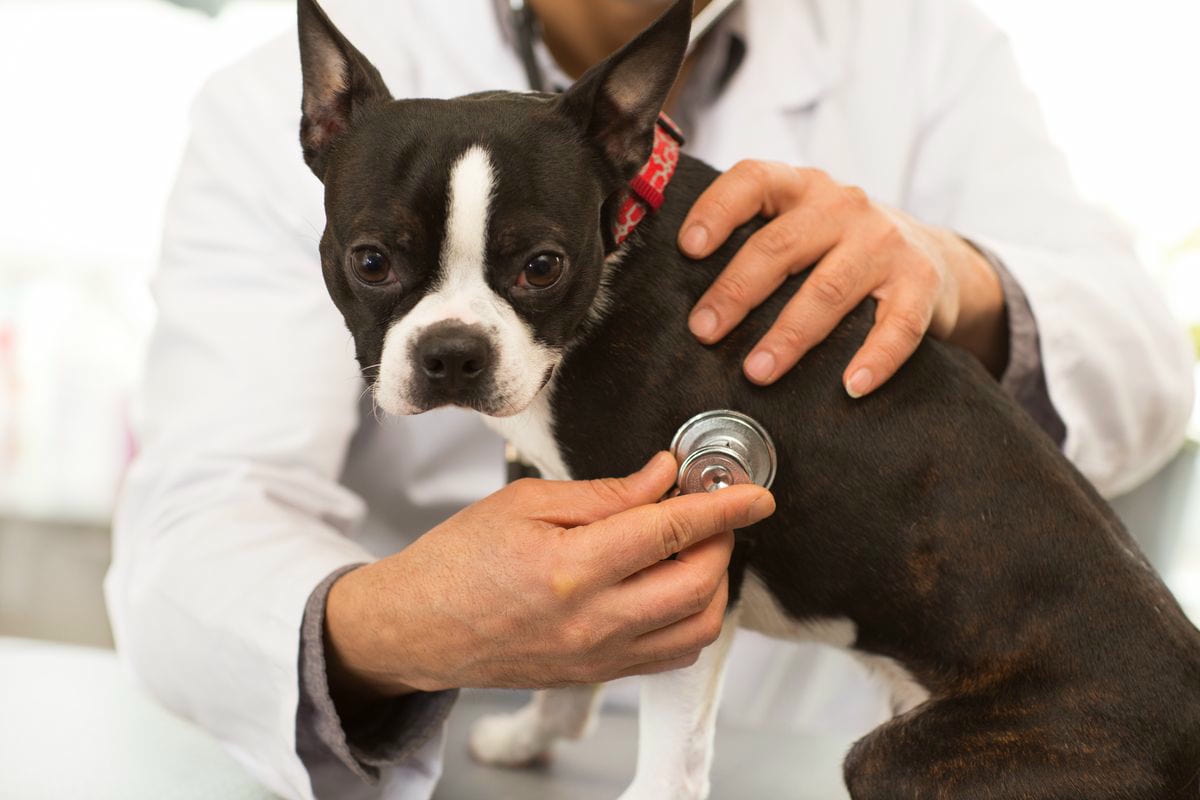
The pancreas is an extremely important organ for digestion and metabolism. Inflammation is quite common in dogs and cats, but can present very differently clinically, making it difficult to diagnose.
The pancreas is an elongated organ located in the anterior abdomen, closely adjacent to the small intestine. On the one hand, it forms digestive enzymes that break down the proteins, fats, and carbohydrates present in the food, allowing them to be absorbed by the intestinal lining. On the other hand, it also produces the hormones insulin and glucagon, which regulate blood sugar levels.
Inflammation of the pancreas is quite common in dogs and cats, and it is often not easy to recognize and diagnose.
Symptoms of Pancreatitis
Different forms of pancreatic inflammation (technically called pancreatitis) are distinguished. The acute form causes severe abdominal pain, loss of appetite, sometimes vomiting, diarrhea, and fever. It can progress very severely and worsen rapidly, requiring emergency treatment for affected animals and several days of inpatient care in a veterinary clinic for follow-up therapy.
If animals suffer from a chronic form of pancreatitis, they often show only very vague symptoms, are listless, eat poorly, become dehydrated, and lose weight.
It is also possible for repeated flare-ups of acute inflammation to occur over a longer period, with diarrhea and vomiting – in this case, it is referred to as chronic recurrent pancreatitis.
Signs of pancreatitis include:
- Apathy
- Abdominal pain
- Loss of appetite
- Vomiting
- Diarrhea
- Dehydration
Causes of Pancreatitis
There are many triggers and risk factors that can play a role in the development of pancreatitis. However, the exact cause usually remains unknown in individual cases.
Possible triggers and risk factors:
- Ingestion of unsuitable food, especially if it is high in fat (e.g., eating table scraps)
- High-fat diet over a longer period
- Obesity
- Metabolic disorders
- Blunt trauma to the upper abdomen
- Various infectious diseases
- Chronic inflammatory bowel diseases
- Liver and gallbladder diseases
- Certain medications
Diagnosis of Pancreatitis
Since the symptoms of pancreatitis do not differ from other gastrointestinal diseases, diagnosis is difficult to make. If pancreatitis is suspected, it is necessary to rule out other diseases with various examinations and to perform special blood tests for pancreatic diagnostics.
Therapy for Pancreatitis
Since the manifestation and course of pancreatitis can vary greatly depending on the form of the disease, the therapy is also very individual. In severe, acute cases, inpatient treatment of patients with infusions and tube feeding is necessary, while mild subclinical inflammations can also be treated at home. The three most important measures for patients with pancreatitis are:
Fluid Therapy
Animals with acute pancreatitis, in particular, are often dehydrated due to diarrhea and vomiting and must be rehydrated via infusions. Electrolyte imbalances must also be noted and corrected.
Pain Management
Pancreatitis usually causes severe pain that must be managed with appropriate medication. Painkillers should always be administered by a veterinarian, as many human pain medications are not tolerated by dogs and cats.
Feeding
As soon as vomiting and pain subside under therapy, animals should be fed highly digestible food in small portions. For intensive care patients, this can also be done with energy-rich liquid nutrition via a tube.
For initial feeding, highly digestible special foods that the gastrointestinal tract can easily utilize are recommended. Generally, foods suitable for long-term feeding are used for this purpose.
Long-Term Feeding for Dogs and Cats Prone to Pancreatitis
The primary goal of feeding is to relieve the pancreas. For this, it is advisable to give animals many small meals throughout the day. Dogs should receive 4 meals per day. For cats, dry food should be offered for constant free access, ideally combined with 2 wet food meals. If the cat eats exclusively wet food, the daily food ration should be divided into at least 4 – 5 portions.
The less digestible a food is, the more pancreatic juice must be produced. Therefore, care should be taken to ensure that the food has a very high digestibility. It must be composed of high-quality proteins and carbohydrates. For example, the meat should contain few connective tissue components, and the carbohydrates should be processed in such a way that they are easily digestible.
In addition to high digestibility, a moderate to low fat content of less than 15% in dry matter is particularly recommended for dogs (e.g., Hill’s Prescription Diet i/d Low Fat or Royal Canin Gastrointestinal Low Fat).
Cats that are overweight or prone to elevated blood lipid levels should also receive food with less than 15% fat in dry matter (e.g., Royal Canin Gastrointestinal Moderate Calorie). Cats without these restrictions may eat up to 25% fat in dry matter.
Especially for cats where pancreatitis is often associated with chronic inflammatory bowel diseases, it may also be advisable to switch to a hypoallergenic diet for long-term feeding (e.g., Royal Canin Sensitivity Control, Purina Pro Plan Veterinary Diets HA Hypoallergenic, Hill’s Prescription Diet d/d).
In certain cases, it may also be beneficial to further relieve the pancreas by pre-digesting the food with the addition of pancreatic enzymes (e.g., Lypex).
Prognosis of Pancreatitis
The prognosis for acute pancreatitis varies greatly depending on its course. In mild cases, the inflammation can heal completely, and no long-term damage occurs. In severe cases, the inflammation can spread to other organs, leading to a state of shock and even death of the animal.
Chronic pancreatitis, where the inflammation repeatedly flares up, eventually leads to the formation of scar tissue in the pancreas. This can impair its function, ultimately leading to impaired digestion or the development of diabetes.

Set ipet.ch as a preferred source on Google
Never miss a tip: Set ipet.ch as a preferred source in your Google account so that our veterinary advice and pet care guides appear higher up in your search results. Optional and can be undone at any time.
Set as preferred source →Useful information at a glance
What are the most common symptoms of pancreatitis in dogs and cats?
The most common symptoms of pancreatitis include apathy, abdominal pain, loss of appetite, vomiting, diarrhea, and dehydration. These symptoms can vary depending on the severity of the inflammation.
What causes can lead to pancreatitis in pets?
There are many possible causes and risk factors for pancreatitis. These include the ingestion of unsuitable or high-fat food, obesity, metabolic disorders, blunt trauma to the upper abdomen, various infectious diseases, chronic inflammatory bowel diseases, liver and gallbladder diseases, and certain medications.
How is pancreatitis diagnosed in dogs and cats?
Since the symptoms of pancreatitis resemble those of other gastrointestinal diseases, diagnosis is often difficult. If pancreatitis is suspected, various examinations are necessary to rule out other conditions. These include specific blood tests for pancreatic diagnostics.
What treatment options are available for pancreatitis in pets?
The treatment for pancreatitis depends on the severity of the disease. In severe, acute cases, inpatient treatment with intravenous fluids and tube feeding is necessary. Important aspects include fluid therapy for rehydration, pain management with appropriate medications, and feeding highly digestible food in small portions.
How can I adjust my pet's diet to support the pancreas?
To support the pancreas, dogs should receive several small meals per day. Cats can have dry food available ad libitum and two wet food meals. It is important that the food is highly digestible and has a moderate to low fat content. In certain cases, it may be beneficial to use hypoallergenic diets or pre-digested food with pancreatic enzymes.