
 EN
EN  DE
DE  FR
FR The Gut Microbiome and its Influence on Health
-
 By
Dr. med. vet. Sabina Büttner
By
Dr. med. vet. Sabina Büttner - Jul 15, 2020
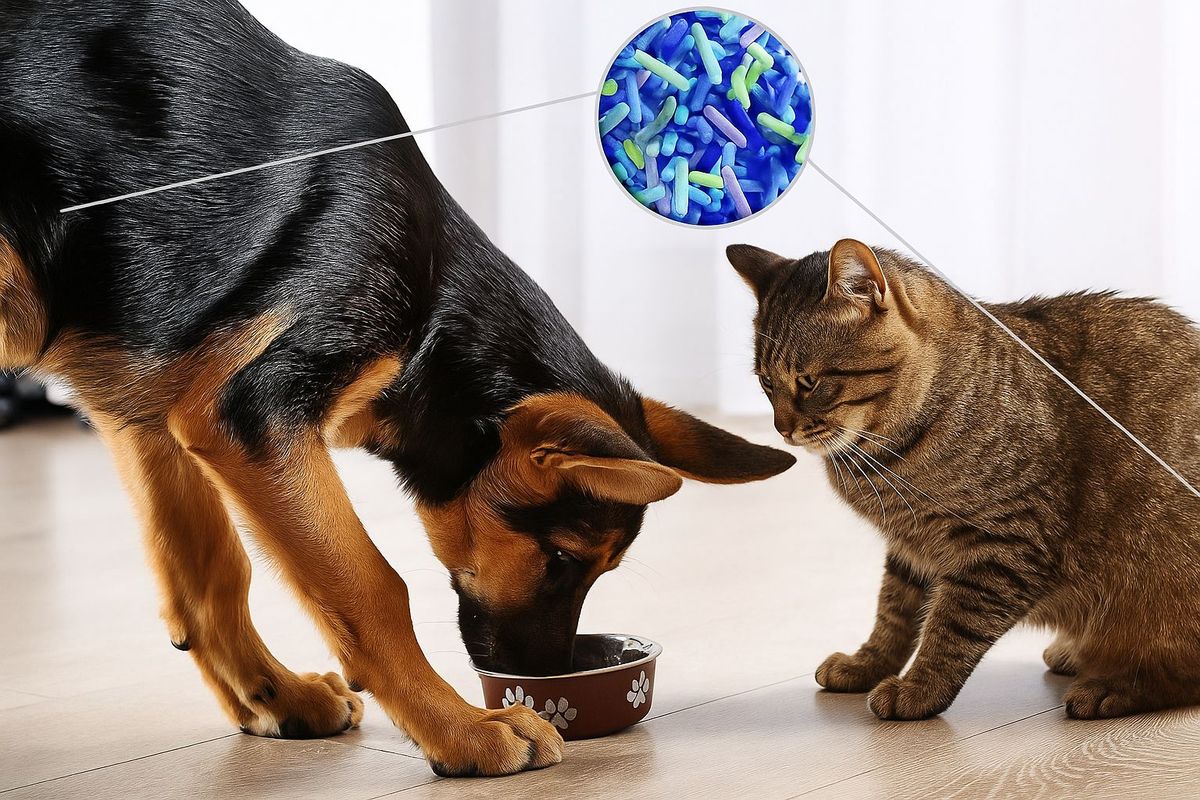
The number of microbes in our pets' intestines is about ten times greater than the number of cells that make up their bodies! However, there's no need to be disgusted – the bacteria in the gut are important helpers for health and well-being.
What is the Gut Microbiome?
The gut microbiome consists of a multitude of bacteria, viruses, protozoa, and fungi. The composition of the microbial flora varies individually and depends on numerous external and internal factors. It changes with age and feeding and is also influenced by the administration of pre- and probiotics or antibiotics. The total microbial count increases along the digestive tract of dogs and cats, with the lowest number in the stomach and the highest in the large intestine. It has long been known that the gut microbiome is enormously important for healthy digestion. However, recent research shows that the gut microbiome not only plays an important role in gastrointestinal diseases but also influences other organs and thus generally affects the health status and well-being of animals.
The Gut Microbiome and Digestion
The microbes of the gut microbiome primarily feed on undigested food components, shed mucosal cells, and other substances excreted by the body into the intestines. They make it possible for dietary fibers from vegetables and fruits, which cannot be digested by the digestive enzymes of dogs and cats, to be broken down and utilized. In doing so, they produce so-called postbiotics, which include, for example, vital vitamins (Vitamin K, water-soluble B vitamins) or short-chain fatty acids that contribute to the energy supply of intestinal cells and have a stimulating effect on intestinal peristalsis.
If there is an imbalance of bacteria in the gut flora (dysbiosis), this can lead to bloating, cramps, diarrhea, or constipation. Causes for such an imbalance can include, for example, unsuitable food, a too rapid food change, stress, or the administration of antibiotics.
Influence of the Gut Microbiome on the Immune System
Puppies and kittens are born with a sterile gastrointestinal tract, which is colonized within 24 hours by microorganisms from the mother's birth canal and from the environment. These microbes are very important for the development of the newborn's immune system. They particularly ensure that the gut's immune system does not trigger an inflammatory reaction to the microbes contained in the normal gut flora or to food antigens.
The gut microbiome also plays an important role throughout life in the modulation between necessary and excessive immune system reactions and serves to defend against pathogenic intestinal bacteria. Dysbiosis can therefore also promote the occurrence of chronic intestinal inflammations such as IBD (=inflammatory bowel disease) or Food allergy.
Influence of the Gut Microbiome on Other Organs
Research into the effects of the microbiome on the general health of our animals is still in its early stages. However, correlations have been found between the composition of the gut microbiome and the occurrence of obesity, intestinal tumors, and psychological disorders such as anxiety.
How Can the Gut Microbiome Be Influenced?
Since the metabolism of gut bacteria is influenced by nutrition, feeding can positively influence the composition of the gut microbiome and thus promote the health of dogs and cats.
This can be done, for example, by adding prebiotics. Among the most common prebiotics in dog and cat food are prebiotic fibers such as beet pulp, flaxseed, fruit fibers, rice fibers, oats, or barley.
Another way to positively influence the gut microbiome is the administration of probiotics. These are living microorganisms such as lactobacilli or enterococci, which also naturally occur in a healthy gut flora. Probiotics can have a health-promoting effect if they reach the intestine in sufficient quantities and thus ensure a predominance of "good bacteria".
|
Probiotics are microorganisms that have a positive influence on the host's health, meaning they belong to the "good gut bacteria". Prebiotics are indigestible plant fibers that are metabolized by gut bacteria and provide them with energy. This stimulates the growth of desired gut bacteria, which in turn improves the host's health. Postbiotics are compounds formed by gut bacteria during the metabolism of prebiotics. |
When is Support for the Gut Microbiome Beneficial?
The gut microbiome is an important living ecosystem in the bodies of dogs and cats that influences both gut health and the overall well-being of the animals. The composition of the gut microbiome and the postbiotics produced are strongly influenced by feeding. The composition of the diet and the intake of prebiotic fibers or probiotic microorganisms represent a long-term strategy to maintain a healthy balance of the gut microflora and promote health.
Support for the gut flora is particularly beneficial in cases of:
- Gastrointestinal infections
- Chronic diarrhea or bloating
- Antibiotic treatments
- Weakened immune system
- Allergies
- Recovery after surgeries or severe illnesses
- Stress
- High physical exertion
How Can the Gut Microbiome Be Supported?
If your dog or cat suffers from acute intestinal discomfort, it is advisable to provide a highly digestible food enriched with prebiotic plant fibers, e.g., Hill’s Prescription Diet Gastrointestinal Biome or other gastrointestinal diets. These foods should be fed for at least 10 days in acute cases, but can also be given lifelong for chronic disorders.
Probiotics can be given as food supplements in case of illness, but also preventively before stressful situations or during antibiotic administration. For example, Purina Pro Plan Veterinary Diets Canine FortiFlora for dogs or Purina Pro Plan Veterinary Diets Feline FortiFlora for cats are suitable. Some of these products are also enriched with prebiotics, such as Protexin Pro-Fibre advanced or Protexin Synbiotic D-C. Additionally, there are complementary food products like Canikur Pro or Promax, which, in addition to pre- and probiotics, also contain clay minerals that bind fluid and toxins, thus helping to protect the intestinal lining during acute diarrhea.

Set ipet.ch as a preferred source on Google
Never miss a tip: Set ipet.ch as a preferred source in your Google account so that our veterinary advice and pet care guides appear higher up in your search results. Optional and can be undone at any time.
Set as preferred source →Useful information at a glance
What is the gut microbiome and why is it important for my pet's health?
The gut microbiome consists of a variety of bacteria, viruses, protozoa, and fungi that live in your pet's digestive tract. These microbes are crucial for healthy digestion, as they help break down undigested food components and produce important nutrients. A balanced microbiome also supports the immune system and can reduce the risk of gastrointestinal diseases and other health problems.
How can I positively influence my pet's gut microbiome?
You can support your pet's gut microbiome by feeding prebiotic Dietary fibres and probiotic microorganisms. Prebiotics are indigestible plant fibers that promote the growth of beneficial bacteria, while probiotics are living microorganisms that improve gut health. A balanced diet containing these components can contribute to maintaining a healthy microbiome.
When is support for the gut microbiome particularly beneficial?
Support for the gut microbiome is particularly beneficial in cases of gastrointestinal infections, chronic diarrhea or bloating, after antibiotic treatments, with weakened immunity, allergies, after surgeries or severe illnesses, during stress or high physical exertion. In such cases, the administration of pre- and probiotic food supplements can help restore the balance of the gut flora.
Which products are suitable for supporting my pet's gut microbiome?
To support the gut microbiome, you can use highly digestible food with prebiotic plant fibers. Probiotic food supplements are also helpful, especially during stressful situations or antibiotic administration. Products like Canikur Pro or Promax contain pre- and probiotics as well as clays, which can protect the intestinal lining during acute diarrhea. These products are available on ipet.ch.
How quickly can I expect an improvement in my pet's gut health?
The improvement in gut health depends on various factors, including the severity of the microbiome imbalance and the chosen measures. In acute cases, an improvement can be observed within 10 days if a suitable food or food supplement is administered. For chronic disorders, long-term support may be necessary to maintain the balance of the gut flora.