
 EN
 DE
 FR
Diet Food for Dogs
Does your dog have health issues such as a food intolerance, gastrointestinal complaints or an organ disease? Then a special veterinary diet food can provide vital support. In our online shop, you will find a wide range featuring more than 14 veterinary diet lines. If you are unsure which food is right for your dog, our team will be happy to advise you free of charge.
Filters
-
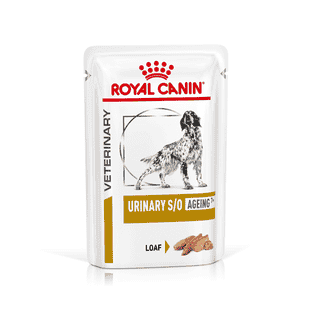 CHF 91.50Free shippingRoyal Canin Veterinary Diet
For older dogs with urinary stone disease
Package size: Fresh bags 4x12x85g -
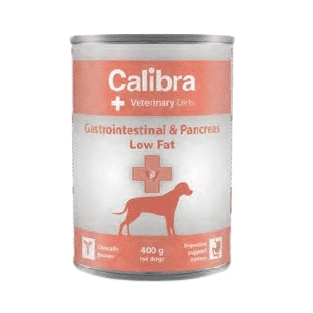 CHF 30.60Calibra Veterinary Diets
For acute or chronic digestive disorders and to support lipid metabolism in hyperlipidemia
-
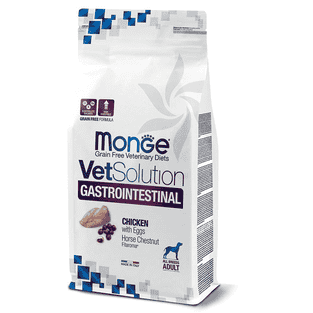
from CHF 32.60
Monge VetSolutionHigh-quality complete food for dogs with digestive tract disorders
-
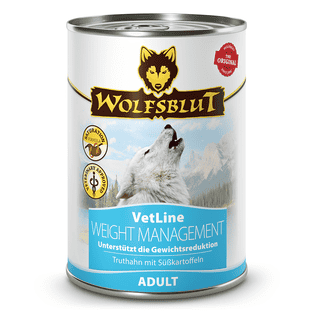 CHF 28.70Wolfsblut VetLine
Complete dietary food for adult dogs to reduce obesity and regulate the glucose supply (diabetes mellitus).
-
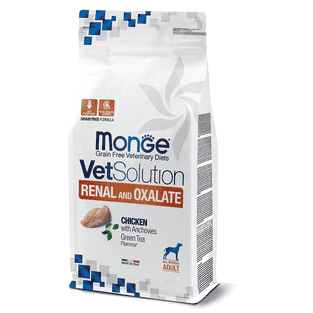
from CHF 32.60
Monge VetSolutionHigh-quality complete food for dogs to support kidney function
-
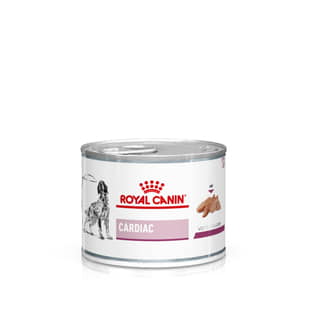 CHF 28.20Royal Canin Veterinary Diet
Complete food for dogs with heart disease
-
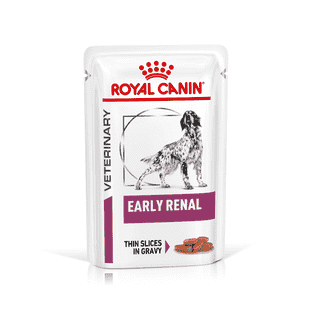 CHF 82.70Free shippingRoyal Canin Veterinary Diet
For dogs with chronic kidney failure in the early stages
-
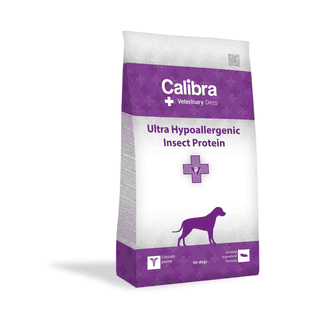
from CHF 25.80
Calibra Veterinary DietsComplete food to reduce initial product and nutrient intolerance symptoms.
Formula with limited ingredients -
 CHF 54.30Hill's Prescription Diet
Diet to maintain your ideal weight
-
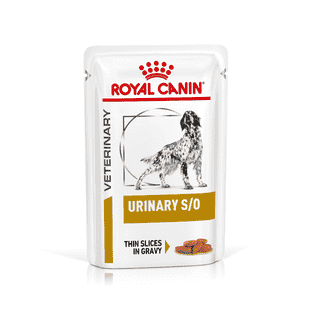 CHF 97.60Free shippingRoyal Canin Veterinary Diet
For dogs with urinary tract disorders
Pack sizes: Fresh bags 4x12x100g -
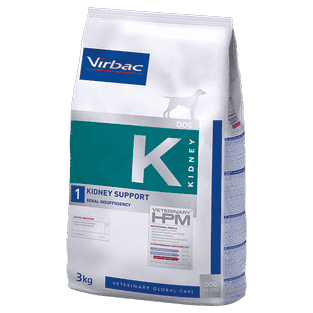
- - 10 %
from CHF 47.15
CHF 52.40Virbac VeterinaryComplete feed to support kidney function in dogs
-
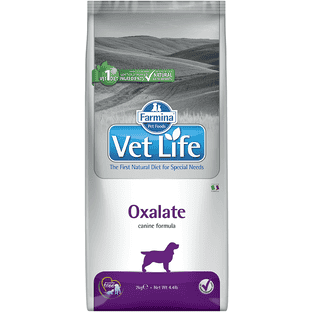
from CHF 29.60
Farmina Vet LifeFor dogs. Reduces the formation of uric acids, oxalate and cystine stones and alkalizes the urine.
-
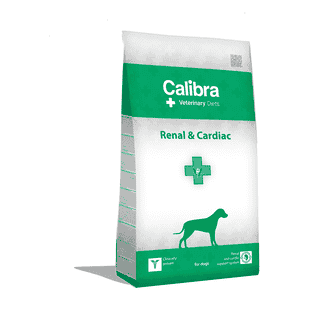
from CHF 23.10
Calibra Veterinary DietsFor chronic Renal insufficiency and chronic heart failure
-
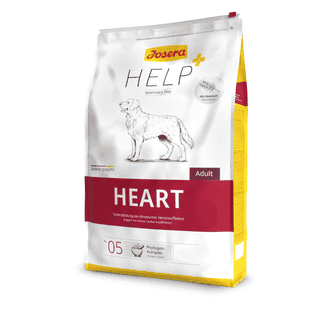
- - 10 %
from CHF 43.10
CHF 47.90Josera HELP Veterinary DietComplete dietary food for adult dogs to support heart function in chronic heart failure.
-
 CHF 41.80Hill's Prescription Diet
Diet for the prevention of tartar
-
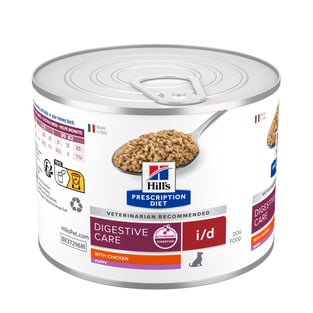 CHF 43.50Hill's Prescription Diet
Clinically proven wet food that helps to reduce digestive disorders in puppies and improve the consistency of their stools
-
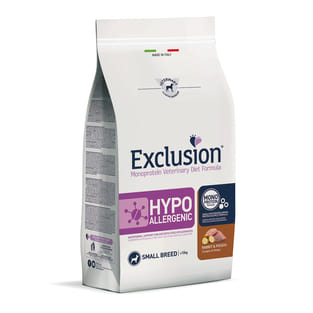 CHF 29.70Exclusion Diet
Dry food for dogs with rabbit and potatoes
-
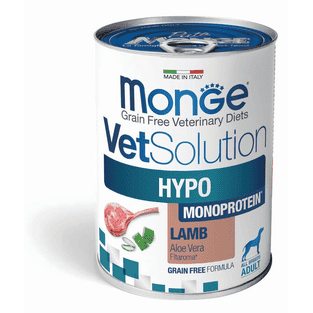 CHF 46.50Monge VetSolution
Complete food for dogs with food intolerances. Available in Can 12x400g
-
 CHF 35.00Escapure VET-Linie +
Dietary food for dogs to support kidney function in cases of chronic Renal insufficiency
-
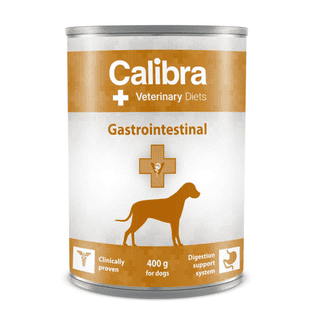 CHF 27.30Calibra Veterinary Diets
For acute digestive disorders
-

from CHF 37.40
Hill's Prescription DietTo support seriously ill dogs that do not want to eat or drink
-
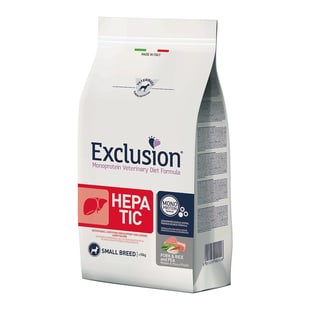 CHF 31.60Exclusion Diet
Dietary food formulated for adult small breed dogs to support liver function in chronic liver insufficiency and reduce copper storage in the liver.
-
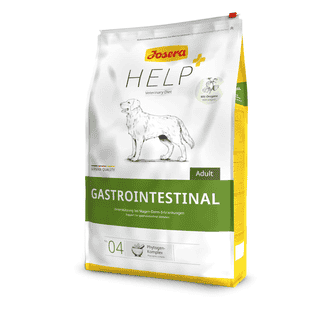
- - 10 %
from CHF 50.05
CHF 55.60Josera HELP Veterinary DietHighly digestible, complete dietary food for dogs with gastrointestinal complaints.
-
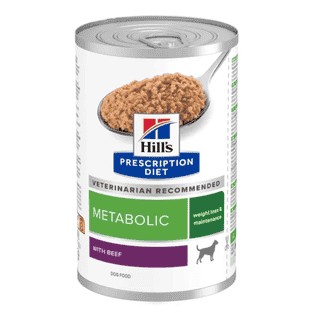 CHF 58.80Hill's Prescription Diet
Tasty wet food for the sustainable reduction of excess weight
-
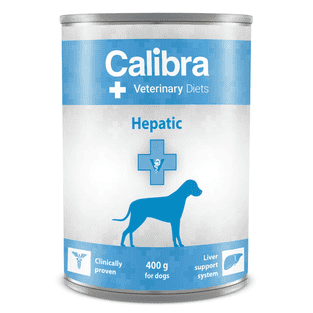 CHF 27.30Calibra Veterinary Diets
Support of liver function in chronic liver insufficiency
-
 CHF 28.10Wolfsblut VetLine
Complete dietary food for adult dogs to support skin function in cases of dermatosis and excessive hair loss and to reduce nutrient intolerance symptoms associated with chronic itching, otitis externa and gastrointestinal disorders.
-
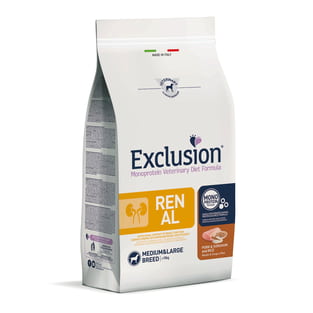 Free shipping
CHF 92.10
Exclusion DietDry food to support kidney function in medium and large dogs
-
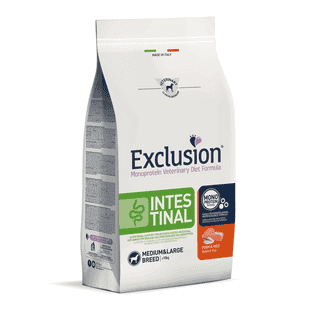
from CHF 31.60
Exclusion DietHigh-quality dog food that is gentle on the stomach for intestinal diseases or digestive disorders
-
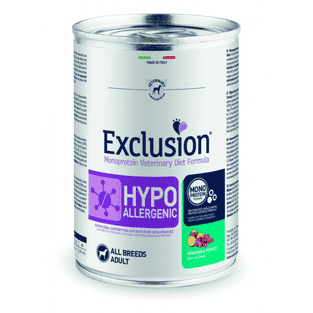 Free shipping
CHF 102.90
Exclusion DietWet food for dogs with Venison and potatoes
-
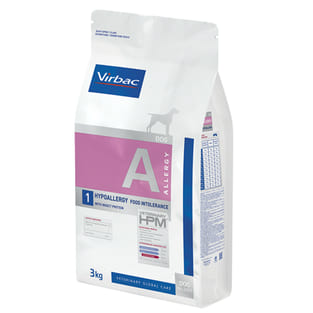
CHF 57.90
Virbac VeterinaryComplete feed with insect protein for food intolerance and Food allergies
Due to a temporary production bottleneck, unfortunately only a maximum of 1 piece of this food can be ordered at the moment.
-
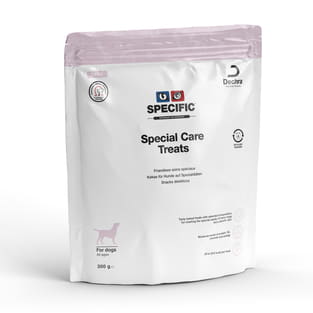 CHF 22.70Specific Diätfutter
For dogs with allergies and dermatological problems, diabetes mellitus, joint and movement problems,
Pancreatitis, kidney disease, cardiovascular disease and bladder stones -
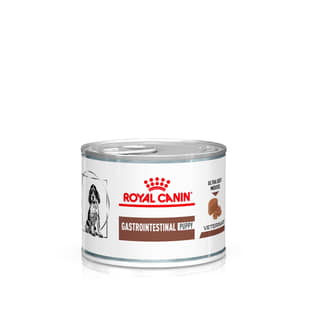 CHF 48.60Royal Canin Veterinary Diet
For puppies with diseases of the digestive tract
-
- - 30 %
from CHF 27.70
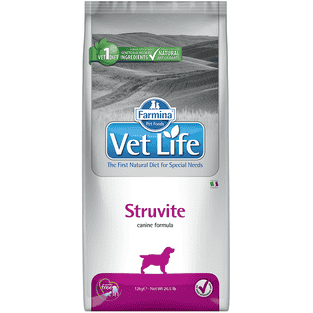
Farmina Vet LifeFor dogs. For the dissolution of struvite stones.
-
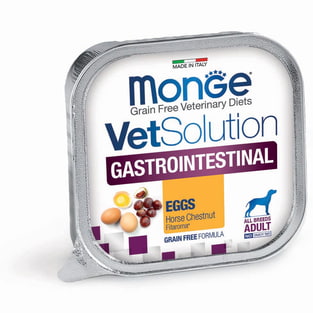 CHF 58.70Monge VetSolution
High-quality complete food for dogs with digestive tract disorders
-
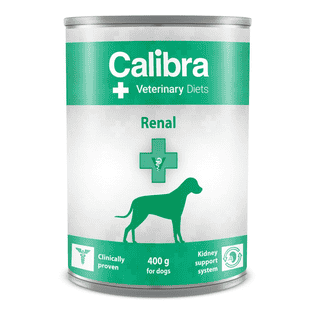 CHF 27.30Calibra Veterinary Diets
Supporting kidney function in chronic Renal insufficiency
-
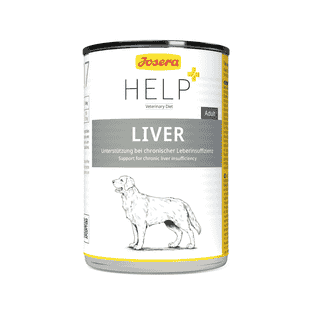
- - 10 %
Special Price CHF 29.60 Regular Price CHF 32.90Josera HELP Veterinary DietComplete dietary food for adult dogs to support chronic liver insufficiency
-
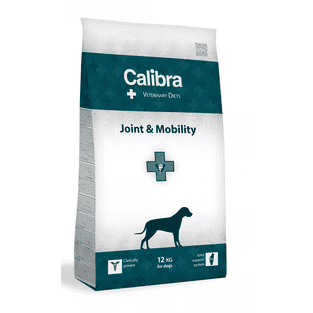
from CHF 25.00
Calibra Veterinary DietsSupport for joint metabolism in osteoarthritis
-
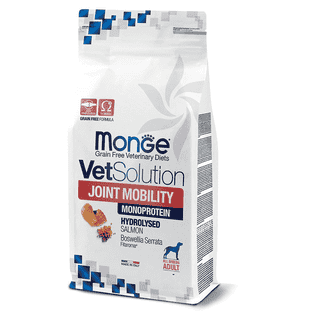
from CHF 32.60
Monge VetSolutionHigh-quality complete food for dogs with joint problems
-
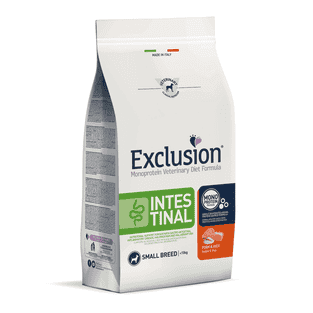 CHF 31.60Exclusion Diet
High-quality dog food that is gentle on the stomach for people with allergies or food intolerances, for small dog breeds
-
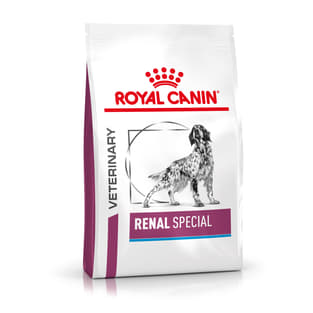 CHF 36.10Royal Canin Veterinary Diet
For dogs with chronic Renal insufficiency and loss of appetite
-
 Free shipping
from CHF 76.00
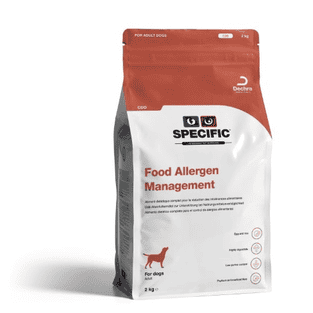
Specific DiätfutterFood allergy and/or intolerance
-
 CHF 29.20Wolfsblut VetLine
Light diet after gastrointestinal complaints with a horse
-

CHF 24.00
animonda Integra ProtectComplete food for dogs with intestinal disorders
-
 Free shipping
from CHF 81.70
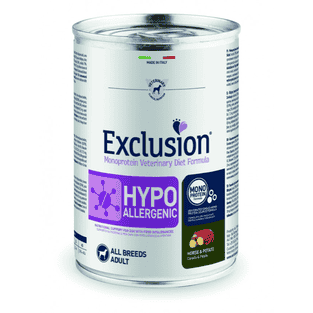
Exclusion DietWet food for dogs with horse and potatoes
-

CHF 22.90
animonda Integra ProtectComplete food for sensitive dogs. 11 x 150g
-
from CHF 31.60
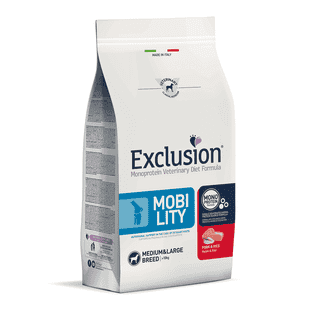
Exclusion DietDry food for medium and large breed dogs to promote joint health and mobility
-
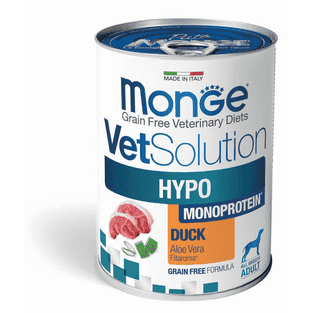 CHF 46.50Monge VetSolution
Complete food for dogs with food intolerances. Available in Can 12x400g
-
 Free shipping
CHF 102.90
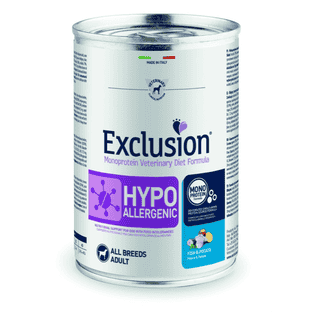
Exclusion DietWet food for dogs with fish and potatoes


What is diet food for dogs – and what is not?
The term “diet food” is protected by law and refers to a food developed specifically for a particular health problem. On the packaging, you will always find a clear indication of what it is intended for – for example, to support dogs with nutrient intolerances (in cases of allergies). Important to know: this is not a promise of a cure, but targeted nutritional support that should always form part of veterinary treatment and whose effectiveness must be scientifically proven.
The right diet for your dog: an overview by area of application
Which diet food is right for your dog does not depend on the brand, but solely on your vet’s diagnosis. Every diet is precisely tailored to a specific health issue and adjusts nutrients so that they provide targeted support or relief for the body.
Food intolerance & allergies in dogs
With a food allergy, the immune system reacts to specific proteins in the food. Hypoallergenic diets therefore rely on two principles: either hydrolysed proteins, which are broken down so finely that the immune system no longer recognises them as allergens, or a single protein source that is novel to the dog (monoprotein), such as horse or rabbit.
Gastrointestinal problems in dogs
For acute or chronic digestive complaints such as diarrhoea or vomiting, high digestibility is crucial. So-called gastrointestinal diets use easy-to-digest ingredients, have an adapted fat content and often contain special fibres (prebiotics) to promote healthy gut flora and soothe the digestive tract.
The right renal diet for dogs
Chronic renal insufficiency requires a special renal diet to slow the progression of the disease. These foods have a reduced phosphorus content, as the kidneys can no longer excrete this mineral efficiently. In addition, the protein content is adapted: it is reduced, yet particularly high in quality, so as to relieve the kidneys while preserving muscle mass.
Urinary tract diseases & urinary stones
To prevent and dissolve certain urinary stones (e.g. struvite) in dogs, the pH value of the urine is specifically adjusted. Special urinary diets such as Hill’s c/d or Royal Canin Urinary S/O also feature a controlled mineral content to reduce crystal formation in the urine and support bladder health.
Joint problems in dogs
For osteoarthritis and other joint diseases, the diet aims to alleviate inflammation and take strain off your dog’s joints. This is achieved through a high content of anti-inflammatory omega-3 fatty acids (EPA and DHA). Weight control is equally important, as every gram saved reduces the load on painful joints.
Pancreatitis in dogs (pancreatic disease)
In the event of an inflammation of the pancreas (pancreatitis), the organ must be given maximum relief. Since high-fat food strongly stimulates the release of digestive enzymes, such a specialist diet is characterised by a very low fat content and easy-to-digest ingredients.
Diabetes in dogs
With diabetes mellitus, it is important to avoid sharp fluctuations in blood sugar after feeding. Diet food for diabetic dogs therefore contains a high proportion of crude fibre, which slows down the absorption of sugar from the intestine. At the same time, the starch content is reduced to minimise the post-meal rise in blood sugar.
Liver diseases
The liver is the central metabolic organ. A hepatic diet is designed to relieve the metabolism. It contains highly digestible proteins as well as an adapted content of copper and other nutrients to support liver function and reduce the build-up of harmful metabolic by-products. You can find out more in our category for liver disease.
Dental care for dogs
Dental diseases are a common issue. Special dental diets help prevent tartar build-up. Their effect is based on a special kibble size and texture. Chewing creates a mechanical abrasive effect that removes plaque from the surface of the teeth and thus helps prevent tartar formation. You can find suitable products in the dental care category.
Dog diet food for weight loss: the difference from “light” food
Many dog owners reach for “light” food in cases of overweight, yet there is an important difference compared to a genuine veterinary diet food. A “light food” is a standard complete feed that merely has a reduced energy density. It is intended for dogs with lower energy requirements or a slight tendency to gain weight.
A genuine weight-loss diet food, on the other hand, is specifically developed for this purpose and declared accordingly. It is fed as part of a vet-supervised diet and features a special composition: not only is it reduced in calories, it also contains a high fibre content for good satiety and an increased protein content to protect muscle mass. The feeding duration is usually clearly defined. Excess weight is a serious health risk that can lead to diabetes, joint problems and heart disease. Well-known product lines for weight reduction include Royal Canin Satiety and Hill’s Metabolic.
Diet food, complete feed, supplement: what is what?
The terms on food packaging can be confusing, but each has a clear meaning.
A complete dietetic feed is designed to cover all of your dog’s daily nutritional needs while simultaneously fulfilling its specific dietary purpose. It can and should therefore be fed as the sole source of nutrition for as long as recommended by your vet.
A complementary feed is not a complete main food. It is given alongside regular food to fulfil a specific purpose, such as supporting gut flora (as with Purina Pro Plan FortiFlora) or supplying joint nutrients. It does not cover all nutritional requirements and must never be used as the sole food. You will always find the exact declaration on the product packaging.
Changing food, feeding duration and food type
A change of food in dogs should always take place gradually in order to avoid digestive upsets and ensure good acceptance. Over a period of 7 to 10 days, mix an increasingly larger share of the new diet food into the familiar food until you have completely replaced it.
The question “How long should you feed diet food to a dog?” depends on the diagnosis. For acute gastrointestinal upsets, a bland diet for a few days or weeks may be enough. For chronic conditions such as renal insufficiency, food allergies or osteoarthritis, lifelong feeding of the appropriate diet is necessary to maintain your dog’s quality of life over the long term.
The form of food also plays a role. Wet food is particularly beneficial for renal and urinary diets, as it promotes fluid intake and thus helps flush the urinary tract and relieve the kidneys. Many diets are available as both dry and wet food, allowing you to choose the option best suited to your dog.
Well-known dog diet food brands at a glance
In the field of veterinary diets, there are several established brands offering a wide range of foods for various conditions.
Hill’s Prescription Diet is one of the pioneers in this area and offers a comprehensive selection of scientifically backed diets. Its products are designed for a wide variety of health issues, ranging from kidney disease and joint problems to weight management.
Royal Canin Veterinary Diet is likewise a leading brand with a very broad and specific range. Royal Canin places great emphasis on precise nutrient profiles tailored accurately to each condition, as seen in its well-known Urinary and Gastrointestinal lines.
Other important lines such as Purina Pro Plan Veterinary Diets and SPECIFIC also provide high-quality, condition-specific foods, rounding off the spectrum with their own recipes and approaches. Which of these brands is suitable for your dog depends on its individual situation and your vet’s recommendation.
Do you need a prescription for diet food?
No, in Switzerland you do not need a prescription for veterinary diet food. However, one rule is vital: never feed it on your own initiative. A veterinary diet actively intervenes in the metabolism, which is why the wrong food can do more harm than good. The basis should therefore always be a clear diagnosis and recommendation from your vet.
Our veterinary expertise for you: free nutritional advice
Our online shop was founded by vets in 2009 because they wanted to create a qualified point of contact for specialist pet food. That veterinary expertise still shapes everything we do today – above all in our free nutritional consultation. So if you have questions about the right diet or are unsure when choosing a product, simply get in touch. Our team of veterinary professionals will be happy to assist you competently and without obligation.
FAQ — Diet Food for Dogs
-
-
Diet food for dogs is a special food developed for a clearly defined nutritional purpose. It serves to provide dietary support for dogs with specific health problems, always based on a veterinary recommendation. Its effectiveness must be scientifically proven.
-
Yes, absolutely. When used in a targeted way on the basis of a veterinary diagnosis, it can significantly support medical treatment, alleviate symptoms and decisively improve your dog’s quality of life.
-
In Switzerland, no prescription is required for purchase. However, feeding should without exception be based on a veterinary diagnosis and a clear recommendation to ensure your dog receives the right food for its needs.
-
The feeding duration depends on the condition. It can range from a few weeks for acute issues such as gastrointestinal complaints to lifelong feeding for chronic illnesses such as renal insufficiency or allergies.
-
Light food is a standard complete feed with reduced calorie content. A weight-reduction diet food, by contrast, is a feed designed for a specific nutritional purpose with a special composition that supports weight loss under veterinary supervision.
-
A veterinary weight-reduction diet food is best suited. It is reduced in calories yet contains all essential nutrients, a high protein content to preserve muscle mass, and plenty of fibre to ensure good satiety.
-
Hypoallergenic diet foods are available for this purpose. They contain either hydrolysed proteins that no longer trigger an allergic reaction, or a single protein source that is new to the dog (monoprotein) in order to avoid known allergens.
-
For diarrhoea, an easy-to-digest bland diet – known as a gastrointestinal diet – is ideal. It has an adapted fat content and contains special ingredients that help stabilise gut flora and soothe the digestive tract.
-
A special renal diet food is the right choice here. It features reduced phosphorus and an adapted yet high-quality protein content in order to relieve and support kidney function as effectively as possible.
-
In cases of pancreatic inflammation, a highly digestible diet with a very low fat content is essential. This relieves the organ and helps control acute symptoms.
-
A vet does not recommend a one-size-fits-all food, but always the specific diet food that matches the diagnosis made and your dog’s individual needs. The diagnosis is always the decisive factor.
-
No, under no circumstances. Diet food should never be fed without a prior veterinary examination and diagnosis. Feeding the wrong diet to a healthy dog or a dog with a different condition can do more harm than good.
-