
 EN
EN  DE
DE  FR
FR Renal Insufficiency in Senior Cats and Dogs
-
 By
Dr. med. vet. Sabina Büttner
By
Dr. med. vet. Sabina Büttner - Jul 5, 2019
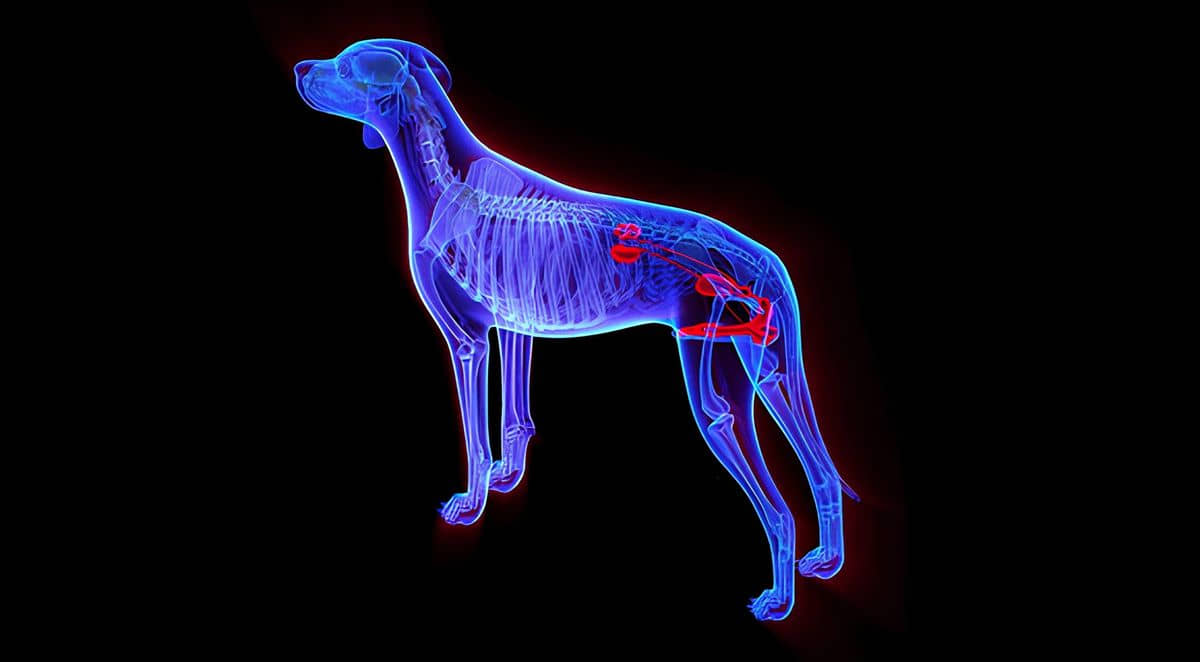
The kidneys are vital organs that detoxify the body and regulate fluid balance. Unfortunately, their function is often severely impaired in old age. Statistically, approx. one in five dogs over 11 years old and one in three cats over 15 years old suffer from chronic Renal insufficiency.
How do I know if my pet is affected?
The loss of kidney function in chronic Renal insufficiency develops gradually over months and years, without the animals showing symptoms. Only when over 3/4 of the kidney tissue is destroyed do the first signs of illness appear. These include, in particular:
|
|
It is important to recognize the disease as early as possible so that its progression can be stopped early. Older dogs and cats should therefore undergo a check-up with the vet at least once a year. During this, any weight loss or other early symptoms can be recognized and further examinations can be carried out if necessary.
Treatment
Since once destroyed kidney tissue cannot regenerate, chronic Renal insufficiency is unfortunately an incurable disease. However, with a treatment adapted to the respective stage, its progression can be slowed down and a good quality of life can be achieved for the animal. This includes various medications prescribed by the vet, as well as a specific kidney diet. The treatment must be carried out lifelong and consistently.
Nutrition
A specific kidney diet forms the basis of every treatment. The following key factors are important:
- with increasing Renal insufficiency, the ability to concentrate urine is lost – leading to water loss. To compensate for this loss, affected animals must have constant access to fresh drinking water.
- a reduction in protein content leads to fewer breakdown products being formed, thus relieving the kidneys.
- a reduced phosphate content is important to normalize the mineral balance and to stop the progression of kidney damage.
- the diet food should enable sufficient energy supply so that there is no weight loss.
What to do if the kidney-diseased animal does not want to eat the diet? Animals with kidney disease often suffer from nausea and vomiting and therefore have no appetite. During these phases, a change to a diet food should under no circumstances take place, because this can trigger an aversion to the food in the animal. The animals should first be stabilized to the point where they want to eat again.
It is important that the transition to the new food takes place gradually over a longer period. An increasing proportion of the diet food should be mixed into the old food. Dogs usually tolerate a change within 7 to 10 days, while older cats often need up to 4 weeks or longer to accept the new food.
The animals should receive the diet food as dry or wet food or a combination thereof, depending on what they prefer to eat. Acceptance can also be increased by slightly warming it or by adding a little poultry broth.
Fortunately, the selection of different kidney diets is so large today that usually the right food can be found for every kidney patient!

Set ipet.ch as a preferred source on Google
Never miss a tip: Set ipet.ch as a preferred source in your Google account so that our veterinary advice and pet care guides appear higher up in your search results. Optional and can be undone at any time.
Set as preferred source →Useful information at a glance
How do I recognize if my cat or dog is suffering from renal insufficiency?
The first signs of renal insufficiency in cats and dogs often only appear when over 3/4 of the kidney tissue is destroyed. Symptoms include increased thirst, frequent urination of large volumes, dull coat, lethargy, weight loss, loss of appetite, foul-smelling breath, pale mucous membranes, vomiting, and dehydration. Regular check-ups with the veterinarian are important for early detection of the disease.
Why is early detection of renal insufficiency important?
Early detection of renal insufficiency is crucial to halt the progression of the disease and maintain the animal's quality of life. Since destroyed kidney tissue cannot regenerate, an early diagnosis is important to begin treatment promptly.
What treatment options are available for animals with kidney disease?
The treatment of chronic renal insufficiency includes the administration of veterinarian-prescribed medications and a specific kidney diet. These measures help to halt the progression of the disease and improve the animal's quality of life. The treatment must be lifelong and consistent.
What should I do if my pet doesn't want to eat the kidney diet?
If the kidney-diseased animal does not want to eat the diet, no transition should occur during a phase of nausea or vomiting. The transition to the diet food should be gradual over a longer period. Always mix increasing proportions of the diet food with the old food. Dogs usually accept the change within 7 to 10 days, while cats may take up to 4 weeks or longer. Acceptance can be increased by slightly warming it or adding some poultry broth.
How can I ensure that my kidney-diseased pet consumes enough fluids?
Since animals with kidney disease lose the ability to concentrate urine, water loss occurs. It is important that affected animals have constant access to fresh drinking water to compensate for this loss. Ensure that your pet always drinks sufficiently.