
 EN
EN  DE
DE  FR
FR Chronic Renal Insufficiency in Cats
-
 By
med. vet. Bianca Michoud-Valente
By
med. vet. Bianca Michoud-Valente - Feb 6, 2023
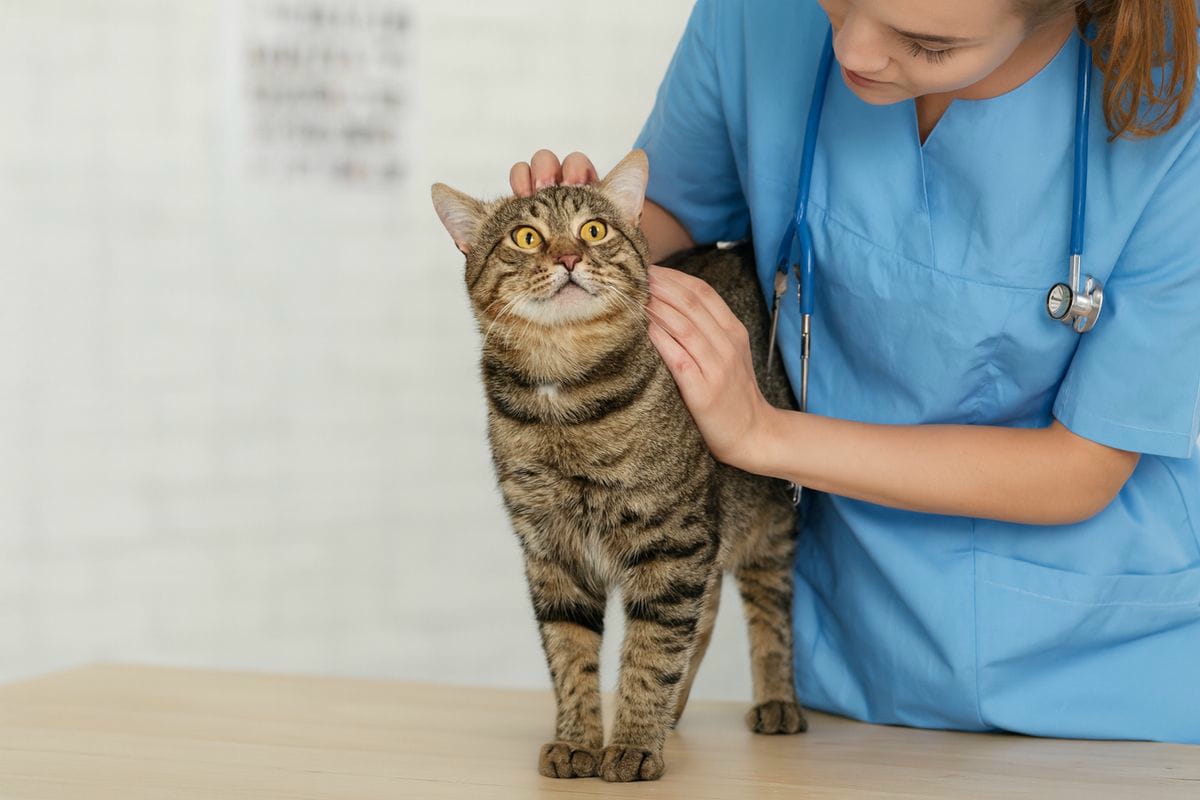
Chronic Renal insufficiency is a common and serious disease in older cats. It affects up to 30% of senior cats and can severely impair their quality of life. The kidneys are vital organs. Early diagnosis and treatment are therefore of crucial importance so that affected cats can enjoy a good life for as long as possible.
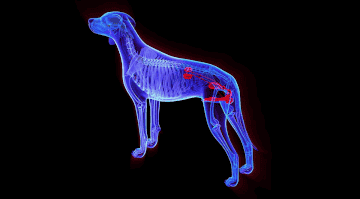
Cats have two kidneys, located at the level of the rib cage on both sides of the body next to the spine. They have two fundamental functions: the filtration of blood and the regulation of fluid balance in the body.
The filtration of blood is one of the most essential tasks of the kidneys. They filter waste products and toxins from the blood by separating substances the body needs from substances it doesn't need. The waste products and toxins are then excreted from the body with the urine.
Furthermore, the kidneys regulate water balance by maintaining the balance of fluids, minerals, and electrolytes in the body. In doing so, excess fluid is excreted in the form of urine. At the same time, it is ensured that proteins are not excreted. The kidneys also play an important role in the maintenance of blood pressure and the production of red blood cells by producing a hormone called erythropoietin.
In short: The kidneys are organs whose flawless function is vital. Therefore, any disruption of kidney function can lead to health problems. Among the many kidney diseases that can affect cats, Renal insufficiency is the most common.
What is Renal insufficiency?
Renal insufficiency refers to a disruption of kidney function. There are two forms of this disease in cats: acute and chronic.
Acute Renal insufficiency is a sudden, severe functional disorder of the kidneys. It can occur in cats of any age. It is usually caused by:
- Poisoning (toxic plants, antifreeze, household products, some human medications, ...)
- Infections
- a urinary tract obstruction
- trauma
- a sudden drop in blood pressure.
With timely diagnosis and treatment, acute Renal insufficiency can often be reversed. Without timely treatment, depending on the severity, it can also lead to the death of the animal or the development of chronic Renal insufficiency.
Chronic Renal insufficiency is a disease that usually develops slowly over several years. It typically affects older cats from the age of seven years. In most cases, the exact cause of chronic Renal insufficiency remains unknown. The most common causes identified in cats are the following:
- chronic infections and/or inflammations of the kidneys
- hereditary diseases (predisposed breeds include Maine Coon, Persian, Abyssinian, Siamese, Ragdoll, Burmese, and Russian Blue)
- high blood pressure
- damage caused by toxins
- autoimmune diseases
- cancer
Cats suffering from chronic Renal insufficiency often live with this disease unnoticed for months or even years. Only when the damage is severe, meaning a loss of about two-thirds of kidney function, do the first symptoms appear. Since destroyed kidney tissue cannot regenerate, it is a progressive disease for which there is no cure and which, over time, leads to the weakening of the animals and an impairment of their quality of life.
Symptoms of Renal insufficiency
The symptoms of Renal insufficiency in cats vary depending on the cause and severity of the disease. When the kidneys no longer function properly, toxic metabolic products, such as urea, accumulate in the blood. These excess toxins can lead to a range of symptoms, such as emaciation, loss of appetite, nausea, vomiting, fatigue, and altered grooming behavior. Since the kidneys can no longer properly concentrate urine, cats pass urine more frequently and in larger quantities. Furthermore, there can be an increase in blood pressure, which can affect the function of other organs, especially the eyes, brain, and heart. Finally, the loss of important proteins and vitamins through the urine can lead to abnormal metabolism and loss of appetite.
The most common symptoms include the following:
- Increased thirst and more frequent urination: Cats with Renal insufficiency tend to drink more frequently and in larger quantities, and thus urinate more often. Since their body can no longer retain fluid, they are constantly dehydrated and try to compensate for this by drinking more. Sometimes the cat even becomes incontinent.
- Weight loss: Kidney diseases can lead to loss of appetite and reduced nutrient absorption, which in turn leads to weight loss.
- Vomiting and diarrhea: sick cats often vomit due to nausea and irritation of the mucous membranes of the digestive tract.
- Exhaustion: cats may feel tired and lethargic.
- Anemia: the loss of kidney function can lead to a reduced production of erythropoietin, a hormone that stimulates the production of red blood cells. The mucous membranes then become pale.
- Loss of muscle mass: Renal insufficiency can lead to loss of muscle mass.
- Behavioral changes: Cats with Renal insufficiency may show behavioral changes such as aggression or confusion.
If you notice one or more of these symptoms in your cat, it is important to promptly consult a veterinarian who will examine the cat and initiate treatment steps as quickly as possible.
Diagnosis of Renal insufficiency
The diagnosis of Renal insufficiency in cats usually involves various laboratory tests to assess kidney function, primarily blood and urine tests.
In addition to these laboratory tests, veterinarians may also use ultrasound or X-rays to assess the size and shape of the kidneys and detect structural abnormalities. In some cases, a biopsy may also be indicated.
For diagnosis and clarification of causes, the veterinarian will also ask questions about the symptoms, medical history, habits, and environment of your cat.
Treatment of Renal insufficiency
The treatment of Renal insufficiency depends on the underlying cause, the severity of the symptoms, and the stage of the disease. The goal is to control the symptoms, slow the progression of the disease, and maintain the animal's quality of life.
Medication and Infusions
With the treatment of Renal insufficiency, the aim is to reduce the burden on the kidneys, control blood pressure, balance the loss of fluids and electrolytes, and reduce toxic waste products in the body. This is usually achieved through the use of medication and intravenous infusions.
Animals that still eat well and show no serious signs are often treated conservatively, with new treatments gradually added as new symptoms appear.
If the disease progresses, treatment may include more invasive methods such as dialysis. However, these treatments are expensive and complex and cannot be considered for all cats.
Renal diet
The treatment of Renal insufficiency in cats should always include supportive measures to maintain the animal's quality of life. An important component of this is a diet specifically tailored to the needs of the kidneys with reduced protein content, low phosphorus content, and a high content of essential fatty acids and antioxidants. However, it is not uncommon for cats to have difficulty accepting such renal diet food. In this case, patience is required, and it is important to ensure that the animal continues to eat. A cat with kidney disease that stops eating should definitely be taken to the veterinarian, as anorexia can worsen the kidney disease. To increase the chances of the cat accepting the food, we recommend a very slow, gradual food transition, tailored to the animal's preferences regarding the food's temperature, texture, and taste. If the cat suffers from nausea and vomiting due to Renal insufficiency, the transition to the renal diet should be postponed until the cat feels better. Also read more tips in the guide article: "What to do if the cat doesn't eat".
Promote water intake
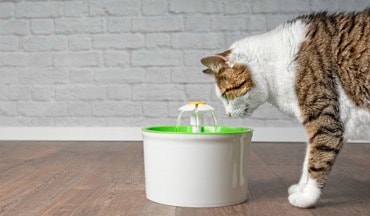
For cats with Renal insufficiency, it is important to maintain a good fluid balance to avoid dehydration, promote the excretion of toxins, and prevent the formation of kidney stones. To this end, it is recommended to encourage the cat to drink water by providing it with several bowls of fresh water as well as fountains. Choosing predominantly wet food is also very helpful, as wet food is not only palatable but also provides the cat with up to 75% water.
Food supplements
There are food supplements that are rich in fatty acids and antioxidants and have an anti-inflammatory and thus kidney-protective effect, as well as food supplements that reduce the absorption of phosphorus and precursors of uremic toxins. These can simply be mixed into the cat's daily food.
If the disease progresses and the cat no longer has a good appetite, it is also advisable to give it a complementary food enriched with nutrients and vitamins to prevent deficiencies and supply energy.
If Renal insufficiency is diagnosed in your cat, it is important to carefully monitor its health by having regular blood and urine tests performed by the veterinarian. Should you observe changes in behavior or other unusual symptoms, do not hesitate to contact your veterinarian as soon as possible.
Prognosis and Prevention
Some cats respond very well to the treatment of Renal insufficiency, while others do not. The prognosis for life expectancy with Renal insufficiency is therefore very varied and ranges from a few months to several years. Some studies suggest that the earlier the diagnosis and treatment of Renal insufficiency occurs, the better the results in terms of quality of life and survival. It is therefore advisable to have older cats regularly undergo a senior check-up with the veterinarian, during which potential weight loss and other early symptoms can be detected.
Cats suffering from chronic kidney disease will have good days and bad days. As it is an incurable disease, the symptoms and the animal's condition will gradually worsen. If chronic Renal insufficiency leads to severe symptoms that no longer improve with treatment, one may unfortunately also be faced with the difficult decision of putting their pet to sleep.
Prevention is the best way to protect your cat from Renal insufficiency. This can be achieved through a healthy and balanced diet, as well as regular veterinary check-ups and the immediate treatment of all underlying diseases. It is also important to protect your cat from potential toxins in its environment, for example, by avoiding toxic flowers or plants in the household. Unfortunately, even with these measures, Renal insufficiency cannot always be prevented. However, you can somewhat mitigate the risk and consequences of the disease.

Set ipet.ch as a preferred source on Google
Never miss a tip: Set ipet.ch as a preferred source in your Google account so that our veterinary advice and pet care guides appear higher up in your search results. Optional and can be undone at any time.
Set as preferred source →Useful information at a glance
What is chronic Renal insufficiency in cats?
Chronic Renal insufficiency is a common and serious disease that primarily affects older cats. It usually develops slowly over several years and leads to a progressive deterioration of kidney function, which can severely impair the quality of life of affected cats.
What symptoms indicate Renal insufficiency in my cat?
The most common symptoms of Renal insufficiency in cats include increased thirst and urination, weight loss, vomiting, diarrhea, exhaustion, anemia, loss of muscle mass, and behavioral changes. If you notice one or more of these symptoms in your cat, you should promptly consult a veterinarian.
How is Renal insufficiency diagnosed in cats?
The diagnosis of Renal insufficiency is usually made through various laboratory tests, such as blood and urine analyses. Additionally, ultrasound or X-rays may be used to assess kidney structure. In some cases, a biopsy may also be necessary.
What treatment options are available for cats with Renal insufficiency?
Treatment aims to control symptoms and slow the progression of the disease. This includes medications, infusions, a special kidney diet, and encouraging water intake. In advanced cases, dialysis may also be considered.
How can I prevent Renal insufficiency in my cat?
Prevention includes a healthy and balanced diet, regular veterinary check-ups, and prompt treatment of underlying diseases. It is also important to protect your cat from potential toxins, for example, by avoiding poisonous plants in the household.